Sample Grant Proposal for Animal Rescue: Full Example and Section Guide
A section-by-section sample grant proposal for animal rescue, with a worked $25,000 spay/neuter request, veterinary budget lines, and outcome measures funders recognize.

Last updated: September 2026
A sample grant proposal for animal rescue reads nothing like a general nonprofit proposal. The need statement runs on county intake counts and stray complaint logs. Veterinary invoices dominate the budget. The outcomes a funder recognizes are live release rate, length of stay, and surgeries completed. If you have never assembled a request before, the general structure in how to write a grant proposal is where to start.
Quick Answer: What Goes in a Sample Grant Proposal for Animal Rescue?
An animal rescue grant proposal contains a cover letter, an organization summary, a need statement built on local shelter intake and stray data, and a program description covering intake, veterinary care, foster placement and adoption. It closes with outcomes such as live release rate and surgeries completed, a line-item budget led by veterinary costs, and a sustainability plan.
Free download: Complete sample proposal for an animal rescue as Word .docx. No email address required.
What a Sample Grant Proposal for Animal Rescue Contains
A rescue proposal is a funding request that asks a foundation or agency to underwrite a defined group of animals through a defined set of services. A strong request gives the animal count, the unit cost per service, and the endpoint for every animal in the group.
| Section | Length | What an animal welfare funder reads it for |
|---|---|---|
| Cover letter | 1 page | Who runs the rescue, what you are asking for, and the exact dollar figure |
| Organization summary | Half a page | Incorporation year, 501(c)(3) status, animals placed last year, staffing model |
| Statement of need | 1 to 2 pages | Local intake and stray numbers from your own county |
| Program description | 2 to 3 pages | The path from intake to adoption, including who provides veterinary care |
| Goals and outcomes | 1 page | Countable results with a baseline and a target date |
| Evaluation plan | Half a page | How you record each animal and who checks the numbers |
| Budget and narrative | 1 to 2 pages | Per-animal costs and the vet contract behind them |
| Sustainability | Half a page | What happens to the program when this grant ends |
| Attachments | Varies | Determination letter, board list, financials, vet letter of agreement |
Animal Rescue Grant Proposal Example: A $25,000 Spay/Neuter and Intake Medical Request
A $25,000 animal rescue request funds a defined cohort of animals: in this example, surgery and intake medical care for 150 animals over twelve months at a foster-based rescue. The figures are illustrative and do not describe a real organization.
The requesting group is a foster-based rescue in a mid-size county with no shelter building. Roughly forty active foster homes take intake from two municipal shelters and from owner surrenders that would otherwise become strays. The rescue asks a family foundation for $25,000 over twelve months to cover surgery and intake medical care for 150 animals.
Need statement, opening two sentences. "The county shelter took in more animals last fiscal year than it placed, and its published intake report shows unaltered adult cats as the largest single category. Every unaltered cat we pull represents a litter the shelter will otherwise receive within the year."
Program description, opening. "The program moves 150 animals from municipal intake through veterinary clearance and into adoption. Each animal receives a spay or neuter surgery at our contracted clinic, core vaccines, a microchip, and diagnostic testing before placement into a foster home."
Outcome statement. "150 spay or neuter surgeries completed by June 30. 150 animals microchipped and registered before adoption. Median length of stay in foster care reduced against our current twelve-month baseline."
Ask sentence. "We request $25,000 to fund surgery and intake medical care for 150 animals during the 2027 fiscal year."
The narrative has no photographs of injured animals and no paragraph about how much the volunteers care.
Writing the Statement of Need With Local Intake Data
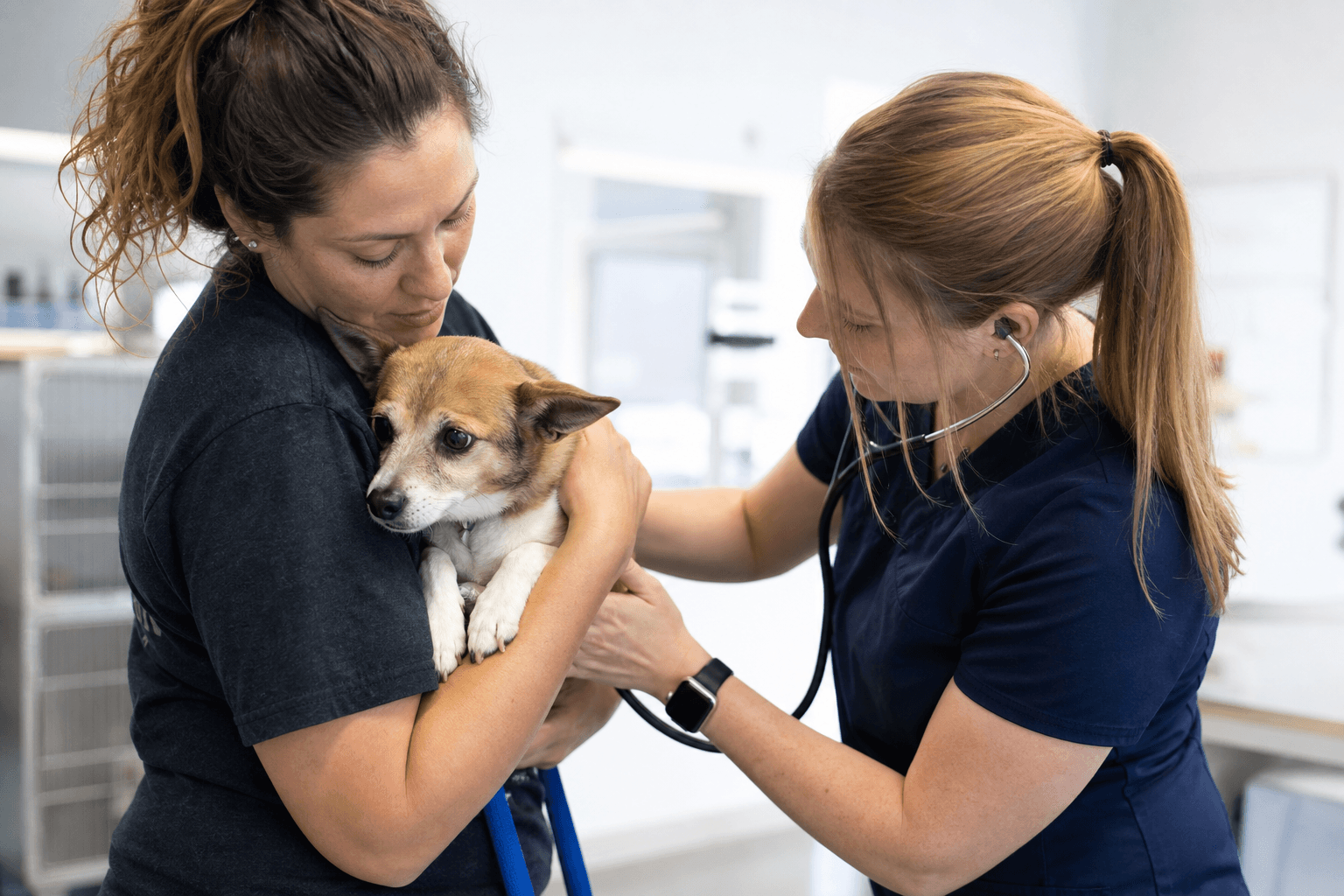
The need statement in an animal rescue proposal runs on data from your own county: municipal shelter intake and outcome reports, animal control stray and bite counts, and your own record of declined surrenders. National euthanasia figures are quoted by most applicants and carry little weight.
Pull your evidence from records a funder can check. Municipal shelter annual intake and outcome reports are usually public, and county animal control publishes stray complaint and bite-report counts. If your organization reports intake and outcome data to Shelter Animals Count, which maintains The National Database of sheltered animal statistics as a program of the ASPCA (shelteranimalscount.org, accessed September 2026), your own submitted figures become citable evidence about your service area. Your waitlist counts too. The number of owner-surrender requests you declined last year says more about unmet local need than any national total.
Rescue need statements fail in familiar ways. Some lead with a national statistic. Some describe one animal's suffering for a full paragraph before naming a number. Some write about the rescue's own budget gap where the community's problem belongs, and some cite figures with no year attached. Foundations fund the community problem. The language patterns in this statement of need guide transfer cleanly once you have your local numbers.
A useful test: delete your organization's name from the need statement. If the paragraph still describes a problem in a specific county, it works.
Goals and Outcome Measures Animal Welfare Funders Recognize
Animal welfare funders want counts and rates that come off your intake system. These measures are standard enough that a reviewer will recognize them without explanation.
| Measure | What it counts | How funders read it |
|---|---|---|
| Live release rate | Live outcomes as a share of total outcomes | The headline sheltering number; state the formula and denominator you used |
| Surgeries completed | Spay and neuter procedures funded and performed | A countable output for a prevention grant |
| Length of stay | Days from intake to adoption or transfer | Falling length of stay means more animals through the same foster capacity |
| Return-to-owner rate | Strays reunited with their owners | Evidence that microchip and scanning practice works |
| Adoption return rate | Animals returned to your care after adoption | Evidence of matching quality |
| Owner-surrender prevention | Surrenders averted through pet food, medical or behavior support | Counts community work that shelter-only metrics miss |
Live release rate is a sheltering metric that expresses the share of animals with a recorded outcome who left the organization alive. The Asilomar Accords, agreed in 2004, define it as live outcomes divided by all outcomes minus unhealthy or untreatable owner-requested euthanasia. More than one formula is in circulation, and the National Federation of Humane Societies noted in "What is Your Rate?" (March 2011, published by ASPCApro) that because the healthy, treatable and unhealthy/untreatable categories are defined community by community, regional and national comparison is problematic (aspcapro.org). Name the formula you used and show the denominator. A rescue that pulls only healthy kittens and posts a very high rate looks less credible than one that takes medical cases and shows a rate improving from a stated baseline.
Set targets against your own history. "Increase live release rate from our current baseline by four percentage points by the end of the grant year" is defensible. "Save as many animals as possible" is not a target. Adoption returns need a window before they mean anything, so choose one, thirty days is common, and write it into the proposal. Build the reporting mechanics around your chosen measures using a grant evaluation plan that names who records each animal and who checks the numbers.
Building the Budget: What Animal Rescue Line Items Look Like
You build an animal rescue budget from per-animal unit costs multiplied by a defined cohort, and veterinary services will usually be the largest line. A vague "veterinary care: $20,000" entry invites a rejection or a request for revision from a reviewer who already knows what surgery costs.
The example rescue's $25,000 request, expressed as unit costs. Replace the figures with quotes from your own contracted clinic.
| Line item | Basis | Amount |
|---|---|---|
| Spay and neuter surgeries | 150 animals at $110 contracted clinic rate | $16,500 |
| Core vaccines, rabies, microchip | 150 animals at $28 | $4,200 |
| Diagnostics (heartworm, FeLV/FIV testing) | 150 animals at $18 | $2,700 |
| Foster supply kits | 30 kits at $45 | $1,350 |
| Transport mileage to clinic | Mileage for clinic transport runs | $250 |
| Total request | $25,000 |
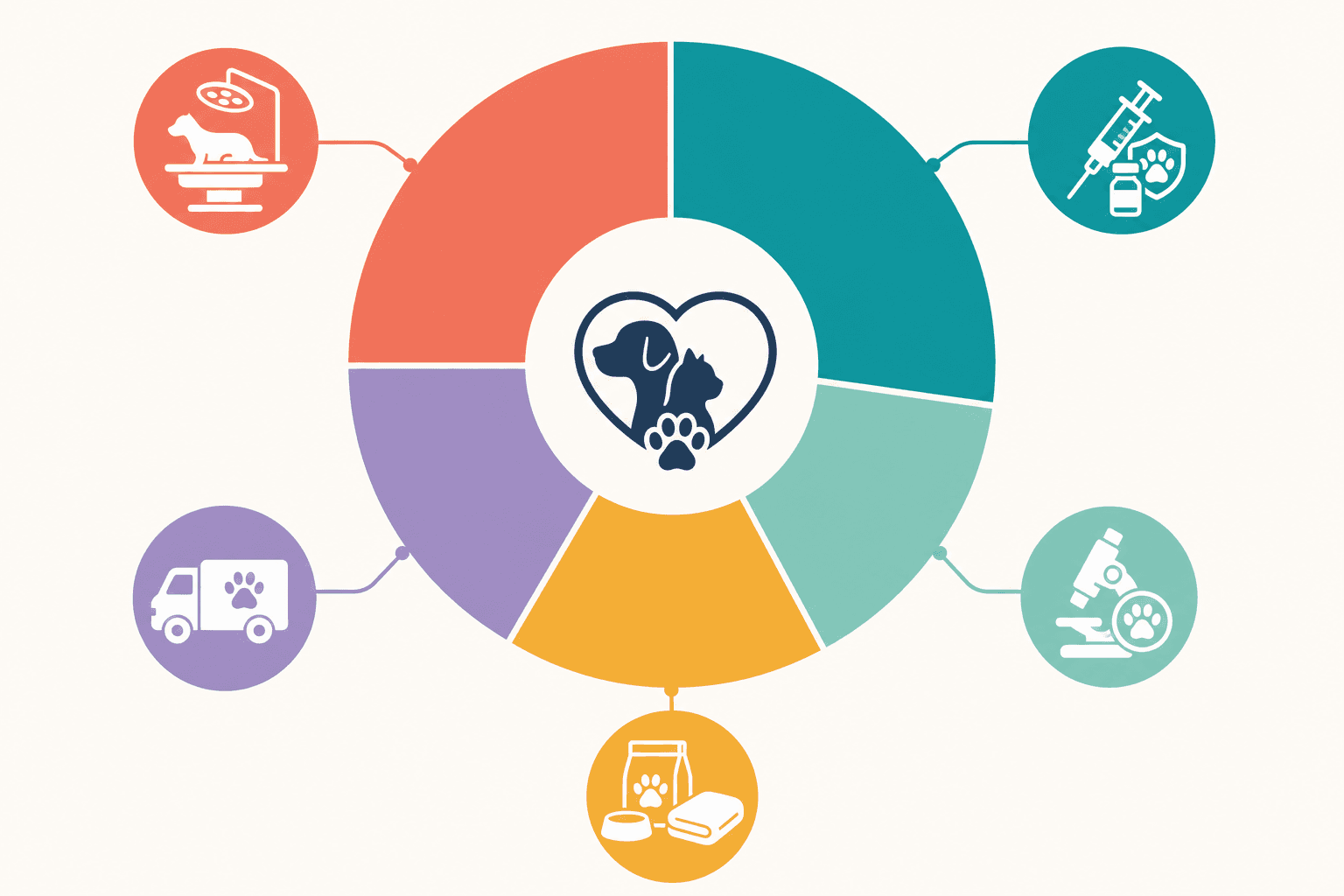
Attach the veterinary agreement, because a signed letter from the clinic stating the rate turns your unit costs from an estimate into a commitment. Show donated or discounted surgeries in a separate in-kind column so the funder can see what its own money buys. Name a medical contingency line with a stated cap, since rescues take animals with unknown histories and some will need a dental extraction or an amputation, and an unexplained overage in the final report is harder to defend than a budgeted one.
Keep prevention separate from treatment. Funders restricted to spay/neuter will not pay for heartworm treatment, and emergency medical funders will not pay for routine surgery, so two clean sub-budgets let you submit the same program to both. The grant proposal budget template guide covers how to justify these lines.
How This Differs From a Sample Grant Proposal for a Non Profit Organization
The section headings match any sample grant proposal for a nonprofit organization. The evidence inside them does not, and the differences account for most rejections in this sector.
Animal welfare proposals compete for the same local dollars as human services, so the need statement has to connect animals to community conditions: stray populations and the animal control costs they generate.
Contracted veterinary services dominate rescue budgets. Some reviewers read that line as consulting or administrative overhead until the vet agreement is attached, which is the main reason to include it.
Many rescues are foster based and all volunteer. The capacity section then has to answer a question a staffed nonprofit never faces: what happens to the rescue if the founder stops.
The outcome vocabulary is field specific. Live release rate and length of stay mean something precise to an animal welfare reviewer and nothing to a generalist, so define them once in the proposal.
Objections Animal Welfare Funders Raise
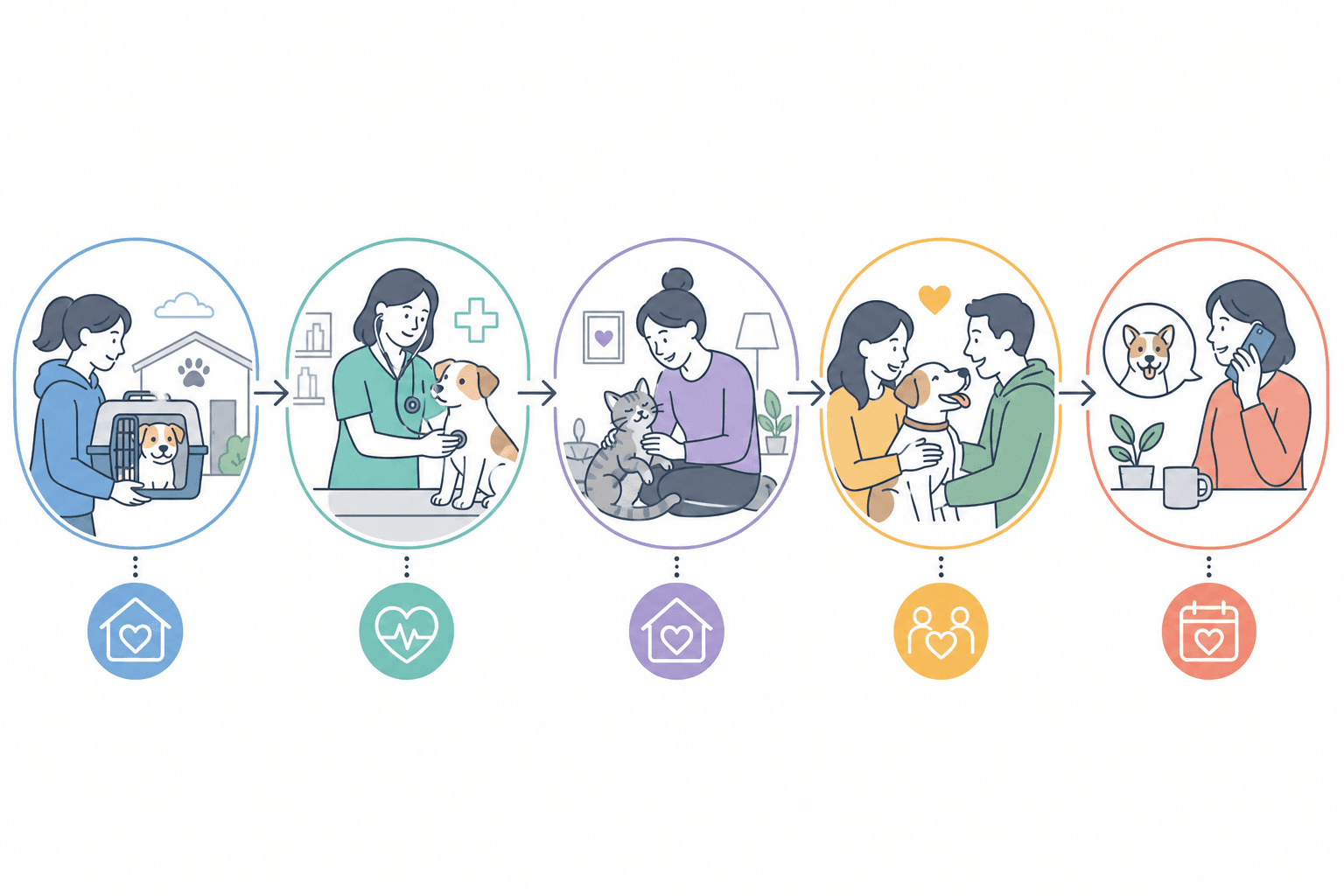
Animal welfare funders raise the same objections about rescue proposals: why fund animals when human services need the money, whether the document reads as fundraising copy, whether the rescue duplicates the municipal shelter, and who signs veterinary bills if the founder leaves. Answer each inside the proposal, before the site visit.
On funding animals when human services need the money, the answer is the overlap. Owner-surrender prevention keeps pets with families in housing crisis. Low-cost spay/neuter reduces the stray population that generates bite calls and animal control expense. Say that plainly in the need statement.
On tone, rescue teams write good adoption stories and then paste that voice into a foundation proposal. One short case narrative is fine. The rest of the document belongs to numbers and dates.
On duplication, name your relationship to the municipal shelter explicitly. Most rescues pull animals the shelter cannot place. Quantify it: the number of transfers you accepted last year, and what the alternative outcome would have been.
On continuity, the answer is governance. Name the board, the check-signing policy, the second authorized signer, and the fiscal sponsor if you have one.
Where Animal Rescue Groups Find Funders
Private foundation giving is the most searchable source of animal rescue funding, because every private foundation files a public Form 990-PF listing the grants it paid. The animal welfare funding pool is small enough that identifying the specific funders already giving in your state beats broad searching.
GrantCue's copy of the 990-PF filing corpus, queried on September 10, 2026, holds 27,228 itemized animal welfare grants totaling $479 million. That count covers itemized grants in the filings GrantCue has ingested, not every foundation in the country, and the sector label is GrantCue's classification of the grant purpose text rather than an IRS category. Filings also lag the grant year, so read the corpus as a record of who has funded animal work, not as a live listing.
Private foundation filings are the first route. Form 990-PF asks a foundation to list the grants and contributions it paid during the year, with the recipient's name, the purpose, and the amount (IRS, Instructions for Form 990-PF, 2025, Part XIV). Foundations that funded a rescue two counties away are realistic prospects. GrantCue's foundation data comes from that filing corpus, so you can see who actually gave.
Federal and state portals are the second. Animal-specific federal opportunities are limited, though rabies control, agriculture, and public health programs sometimes carry eligible activities, and state license plate and spay/neuter funds are often administered through state agency portals. You can search federal and state grant listings in one place.
Municipal and county money is the third. Animal control service contracts, transfer agreements, and county health department funds are not grants in the traditional sense, and they are frequently the steadiest revenue a rescue has. Whichever route produces prospects, track the deadlines and required attachments from first contact through final report.
What a Complete Animal Rescue Proposal Package Contains
A complete animal rescue proposal package runs from cover letter to attachment list, with every figure sourced and every unit cost quoted by a real clinic. Assemble it in this order:
- A cover letter that states the ask sentence and the exact dollar figure.
- An organization summary written for your actual staffing model, including a foster-based rescue with no facility.
- A need statement carrying your county intake and stray figures with the year attached.
- A program description covering intake, veterinary clearance, foster placement, adoption, and post-adoption follow-up.
- A goals and outcomes section using live release rate, surgeries completed, and length of stay.
- An evaluation plan naming the record keeper and the reporting interval.
- A line-item budget with a matching budget narrative.
- A sustainability section for a program that depends on contracted veterinary rates.
- An attachment checklist covering the determination letter, board list, financials, and the veterinary letter of agreement.
Before you submit, confirm that the budget table and the budget narrative report the same totals, and that every per-animal rate matches the clinic's written quote.
FAQ
How do you write a grant proposal for an animal rescue?
Start with your local intake and outcome numbers, then build the request around a named group of animals and the services they need. Write the need statement from county shelter and animal control data, express the budget as per-animal unit costs backed by a veterinary agreement, and set outcome targets against your own baseline.
What grants are available for animal rescue nonprofits?
Animal rescues draw on private foundation grants, particularly family foundations with an animal welfare interest. State spay/neuter funds and license plate funds add public money, as do county animal control contracts and shelter transfer agreements. National animal welfare grantmakers also run competitive programs, usually restricted to spay/neuter, medical care, transport, or disaster response, with general operating support rarely on offer.
Do you need 501(c)(3) status to apply for animal rescue grants?
Most private foundations restrict their grantmaking to organizations that hold 501(c)(3) public charity status, as a matter of their own policy. A rescue without a determination letter usually applies through a fiscal sponsor that holds one. Read each funder's eligibility language first, since a status mismatch gets you screened out before scoring.
How much should a small animal rescue ask for in a first grant?
Ask for an amount your organization can visibly manage. A first request tied to a countable group of animals is easier to approve than a large general operating ask from an unfamiliar applicant. Deliver the report on time, then request more in the following cycle.
What outcomes do animal welfare funders want to see?
Live release rate, surgeries completed, length of stay, return-to-owner rate, and adoption returns measured within a window you define and state. Funders want a baseline, a target, and a date attached to each one. A count of animals helped with no denominator behind it is hard for a reviewer to interpret.
Can a foster-based rescue with no shelter building get grants?
Yes. The model carries lower overhead, and the proposal has to compensate for the absence of a facility by giving foster capacity in numbers and naming the veterinary partner who provides clinical care. Say who signs the veterinary bills if the founder steps back.
Next Steps
Draft your need statement from the local intake report first, since every other section depends on the numbers it establishes. Get your clinic to put its rate in writing before you build the budget table. If proposal writing is new to you, work through the full proposal writing walkthrough alongside your draft.