List of Private Foundations by State: Build Your Own From 990-PF Data
A state by state list of private foundations, how to build one yourself from public IRS 990-PF filings, and what every column has to carry to be worth keeping.
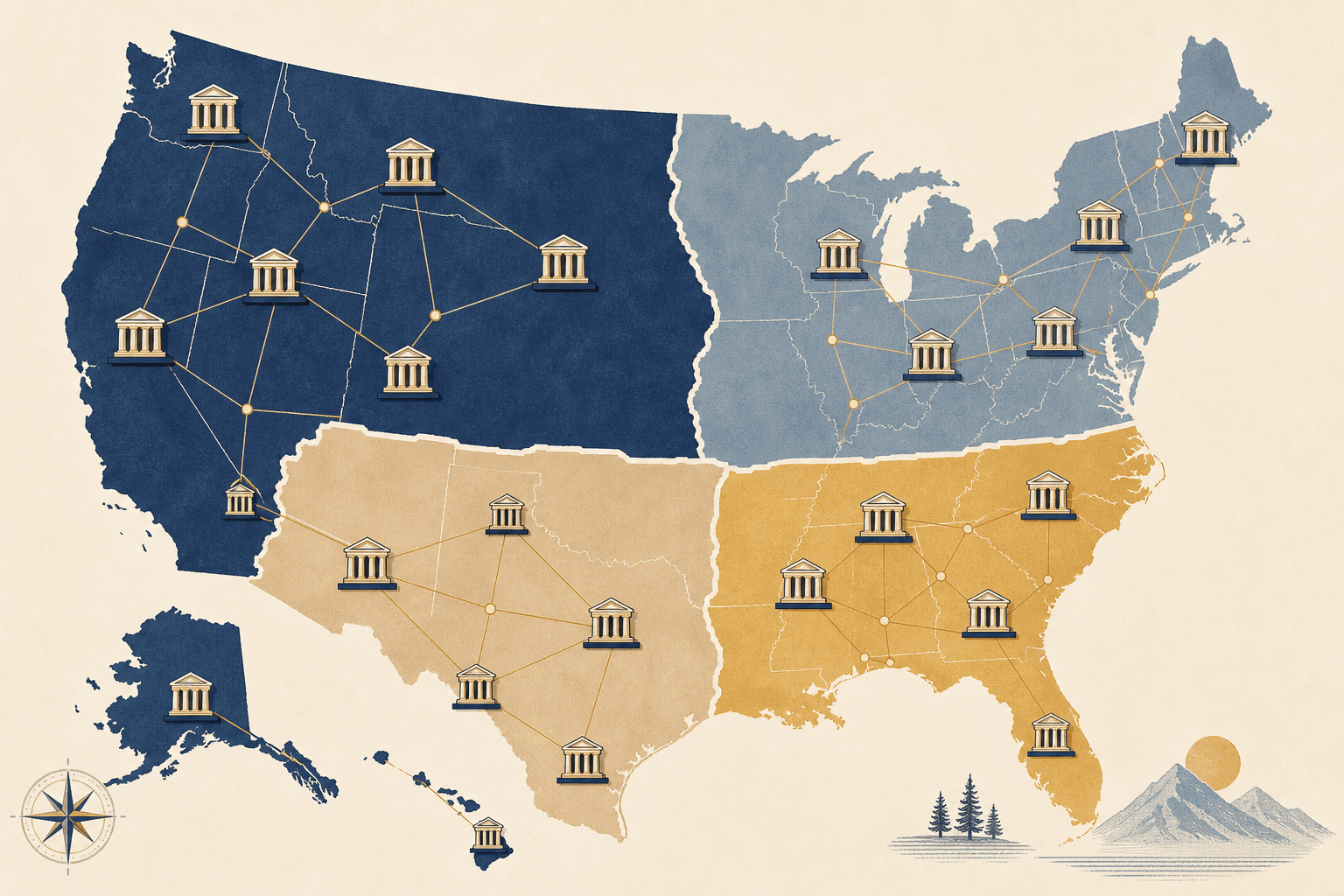
In this article (12)
- Quick Answer: Where Do You Get a List of Private Foundations by State?
- What a Private Foundation Is, and Why the 990-PF Is the Source
- Where the List of Foundations in the US Comes From
- How to Get a List of Private Foundations for Your State
- What Belongs on a Private Foundations List
- Foundation Search: Free Tools and What Each Does
- Foundation Finder and 990: How to Read the Filing
- What Private Foundations Actually Fund
- Turning a Foundation List Into a Grant Pipeline
- Mistakes That Waste a Foundation List
- FAQ
- Where to Go From Here
A list of private foundations sounds like something you look up once and keep. Most nonprofits end up with a stale spreadsheet copied from somebody's blog post, or a database subscription they cannot renew. The underlying data is public and it is free. Every private foundation in the United States files Form 990-PF with the IRS each year, and that filing names the grants the foundation paid and who received them. Many filings also carry the address to send an application to. None of it costs anything, and none of it needs a subscription.
Quick Answer: Where Do You Get a List of Private Foundations by State?
Private foundations file IRS Form 990-PF every year, and those returns are public records. Two free federal sources carry the data: the IRS Business Master File extract, which lists every registered exempt organization with a state and a foundation status code, and the IRS Tax Exempt Organization Search, which returns each foundation's filed 990-PF. Neither one costs anything.
Free download: Private foundations by state workbook, from IRS 990-PF filings as Excel .xlsx. No email address required.
What a Private Foundation Is, and Why the 990-PF Is the Source
A private foundation is a 501(c)(3) organization funded from one source, usually a family, an individual, or a company, rather than from broad public donations. That funding structure is what triggers a separate annual return.
Form 990-PF is the annual IRS filing private foundations use to report assets, investment income, and every grant paid during the year. Public charities file Form 990, Form 990-EZ, or the Form 990-N e-Postcard instead. The distinction matters for your research because the 990-PF carries a grants schedule that names recipients and amounts, which the public charity forms do not present the same way.
Payout rules push that money out the door. A foundation computes a minimum investment return each year, which the IRS defines as 5% of the fair market value of assets not used or held for use for exempt purposes, less the debt incurred to buy them (IRS, "Minimum investment return", accessed September 10, 2026). Under section 4942 it must then distribute a distributable amount based on that figure as qualifying distributions or face an excise tax on the shortfall. Qualifying distributions cover grants, and they also cover reasonable administrative expenses and certain set-asides, so the full 5% does not land in grantee bank accounts. A list built from asset and payout data still beats a list built from name recognition.
Once you win it, foundation money behaves differently from federal money. If you have only worked with government awards, read how foundation grants differ from federal grants before you rewrite your standard proposal for this audience.
Where the List of Foundations in the US Comes From
Every list of foundations in the US traces back to two IRS datasets. The Exempt Organizations Business Master File says which organizations exist and how the IRS classifies them, and the Form 990 series filings say what each organization did with its money.
The Business Master File extract is published as downloadable files covering registered exempt organizations. Each row carries an EIN, legal name, mailing address, state, and a foundation status code that separates private foundations from public charities. That code is how you filter a national file down to private foundations in one state.
Machine-readable filings changed what anyone can do with the returns. The Taxpayer First Act requires organizations exempt under section 501(a) to e-file the Form 990 series for tax years beginning after July 1, 2019, with earlier tax years still governed by the prior rules and Form 990-EZ filers brought in later (IRS, accessed September 10, 2026). Recent returns arrive as structured data rather than scans, so the grants schedule inside them can be parsed by machine instead of read by eye.
Commercial foundation databases build on these IRS sources and add cleanup and a search layer on top of them. Whether that is worth a subscription depends on how much of the parsing work you want to do yourself, and the raw material is available to you either way.

How to Get a List of Private Foundations for Your State
Filter the IRS Business Master File extract to your state on the foundation status code, then pull each match's most recent Form 990-PF from the IRS Tax Exempt Organization Search. Those two steps produce a private foundations list that nobody has to sell you.
The full sequence is short:
- Download the IRS Business Master File extract and filter to your state, keeping only rows whose foundation status code marks a private foundation.
- Look each candidate up in the IRS Tax Exempt Organization Search to pull its most recent 990-PF.
- Read the grants schedule and record the recipients, the amounts, and the stated purposes.
- Record the application instructions from the supplementary information section, including whether the foundation accepts unsolicited requests at all.
Cut the candidate pool hard before step two, because every filing after that is a manual read. The extract already carries city as well as state, so restricting to your own metro area first removes work you would otherwise repeat.
Step three is where the time goes. A single foundation's grants schedule can run to hundreds of lines, so work through the shortlist in passes rather than trying to finish a whole state in one sitting.
What Belongs on a Private Foundations List
A useful private foundations list carries enough detail to disqualify most rows without opening a filing. A name and an address make a directory. A list you can act on has giving history and application rules attached to every row.
Two columns do most of the filtering. Check geography first, because a family foundation headquartered in your state may still restrict giving to a single city two hundred miles away. The unsolicited-requests flag kills the rest.
Foundation Search: Free Tools and What Each Does
Foundation search splits into two jobs: finding candidate organizations, and reading what each one funds. No single free tool does both well, so the work usually runs across two or three of them in sequence.
Government funding runs on a separate track. Foundation returns will never show you a federal notice of funding opportunity or a state agency solicitation. Searching the federal and state portals is separate work, and grant search across those portals sits alongside foundation research.
Foundation Finder and 990: How to Read the Filing
When you open a 990-PF, skip to two places. The grants schedule lists every payment the foundation made, with recipient name, address, purpose, and amount, and the supplementary information section carries the application rules.
That supplementary section is easy to skip, and it carries the rules that decide whether applying is possible at all. It asks the foundation to state the name and address of the person applications should go to, the form applications should take, any submission deadlines, and any restrictions on awards by geography, charitable field, or type of institution. It also includes a checkbox the foundation ticks if it gives only to preselected organizations and does not accept unsolicited requests. When a foundation ticks that box, move it to an archive tab.
The grants schedule tells you something the foundation's website usually will not. Read the recipient names for organizations that look like yours in size and field. Read the stated purposes for the vocabulary the foundation uses, then reuse that vocabulary in your own statement of need. If every award in the schedule sits between $5,000 and $15,000, a $90,000 request reads as a mistake rather than an ambitious ask.
One caution on timing. A 990-PF is filed months after the fiscal year it covers, so the most recent public filing describes giving that already happened. Treat it as evidence of pattern. Do not treat it as a current deadline. Confirm live guidelines on the foundation's own site before you write anything.
What Private Foundations Actually Fund
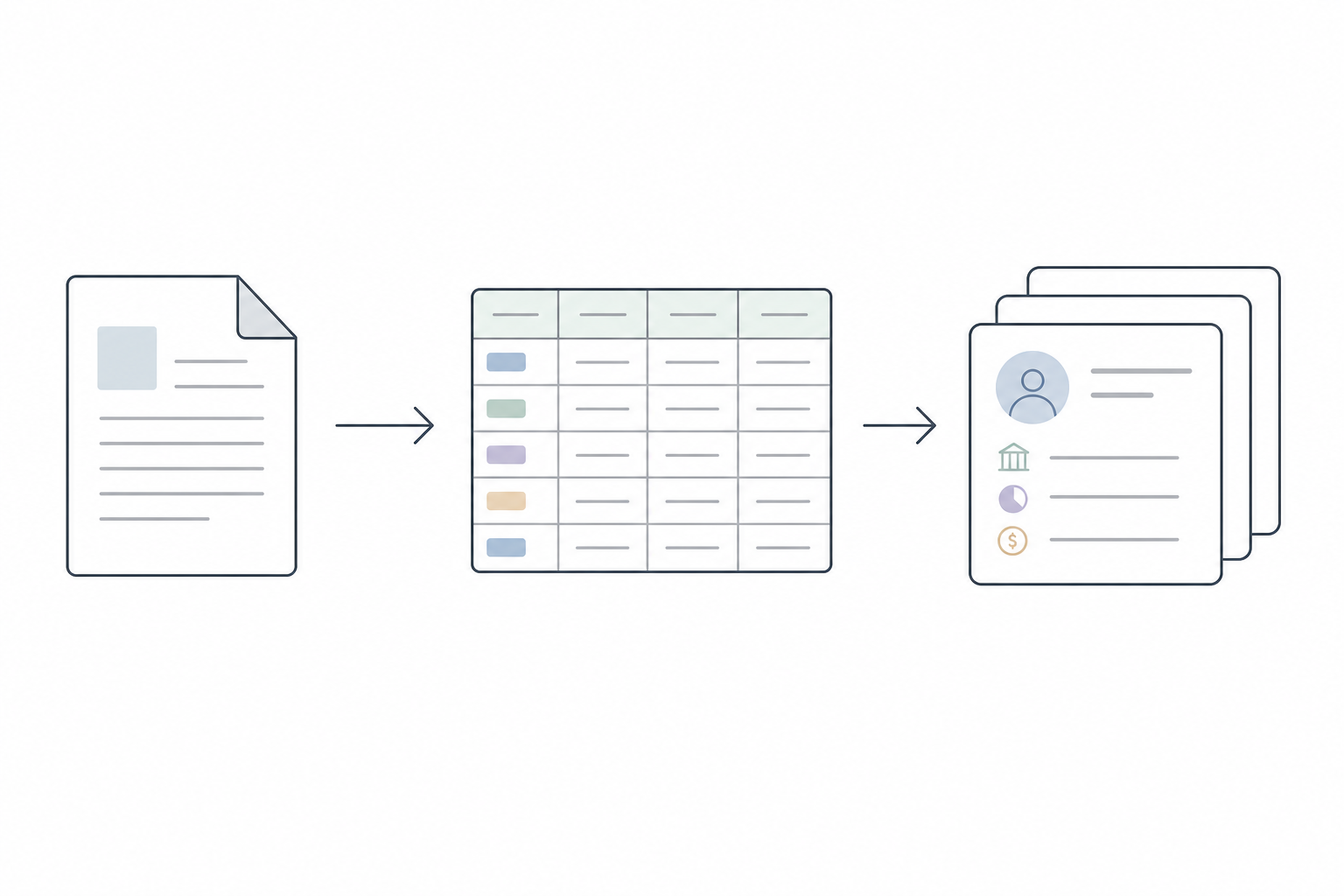
Education absorbs more grant records and more dollars than any other field measured in GrantCue's 990-PF corpus. The table below covers selected funding areas rather than a complete ranking of every purpose in the data.
Scholarship support sits outside that table on purpose. It cuts across fields rather than forming one, and the corpus counts it by line item and funder rather than by dollars: 168,499 scholarship-purpose line items from 24,315 separate funders. Tuition assistance is spread across far more funders than any single household name suggests.
Methodology: counts reflect grant records in GrantCue's IRS 990-PF corpus as measured on September 10, 2026, classified by the purpose stated on each grant line. The corpus holds roughly 2.4 million grant line items. The table shows selected funding areas, not the full category ranking. Lines with no stated purpose are excluded from every row, so each figure is a floor for that field rather than a complete sector total.
Turning a Foundation List Into a Grant Pipeline
Foundation research stalls when a finished spreadsheet gets saved to a shared drive and nobody opens it again. What stops that is an owner and a due date on every row.
Score each surviving row on three things you can read straight from the filing: whether the geography fits, whether the foundation has funded work in your field, and whether your planned request sits inside its typical grant size. Rows that clear all three become active prospects. Everything else goes to a watch tab you revisit when the next filing posts.
Then attach deadlines. A family foundation with one board meeting a year gives you one shot at it, and the date the request has to be in the funder's hands is the only date that matters. The grant lifecycle management sequence applies to foundation prospects the same way it does to federal awards. It starts months before anyone opens a document.
Budget work follows the same rule. Match your ask to the foundation's observed range before you build the numbers, so the grant proposal budget template you fill in reflects a request the funder plausibly makes.
Mistakes That Waste a Foundation List
Four habits turn a good foundation list into wasted work, and each one is fixable before you open a single filing.
- A foundation headquartered in your state may fund only one county. Geographic restrictions sit in the supplementary information section. Read that section first.
- Program areas close and boards change, so verify current guidelines against the foundation's own page before you write against a filing that is a year old.
- The preselected-only checkbox means your letter of inquiry will not be read, however strong the fit looks on paper.
- One generic letter sent to sixty foundations performs worse than ten tailored ones, and it burns relationships you would have wanted next year.
FAQ
Common questions about building and using a private foundation list from 990-PF data.
How do I find a list of private foundations in my state?
Start with the IRS Business Master File extract, filter to your state, and keep the rows whose foundation status code marks a private foundation. Then pull each one's most recent Form 990-PF from the IRS Tax Exempt Organization Search to get the grants schedule and the application rules. Both sources are free and neither needs an account.
Is there a free list of private foundations?
Yes. Because 990-PF filings are public records, any list built from them can be free. The IRS publishes both the organization file and the filings at no cost, so the real cost of a private foundations list is the time it takes to assemble one.
What is a 990-PF and what does it tell me?
Form 990-PF is the annual return every private foundation files with the IRS. It reports assets, investment income, and a full schedule of grants paid, including recipient names and amounts. It also carries the foundation's application instructions, deadlines, and any restrictions on who it will fund. The IRS publishes the form and its instructions at About Form 990-PF.
Do private foundations accept unsolicited grant proposals?
Many do not. The 990-PF includes a checkbox a foundation ticks when it gives only to preselected organizations. Check that field before you invest any writing time, because it removes prospects before you spend anything on them.
What is the difference between a private foundation and a public charity?
A private foundation draws its funding from one source and files Form 990-PF. A public charity draws support from many donors or from government sources and files Form 990, Form 990-EZ, or the Form 990-N e-Postcard, depending on its size. The IRS assigns the classification and records it in the Business Master File, so you can filter for it rather than guess.
How do I know which foundations fund my type of work?
Read the grants schedule in the most recent 990-PF rather than the mission statement. The schedule names actual recipients and states the purpose of each payment, which shows what the foundation funds in practice. Look for organizations similar to yours in size and field, then match your request to the amounts you see there.
Where to Go From Here
Start with the IRS Business Master File extract filtered to your state, then cut it to the twenty or thirty foundations whose geography and typical grant size match what you are asking for and who have already funded work in your field. That short list is worth more than a national database you never open.
Then put those names somewhere with dates attached. GrantCue publishes 990-PF funder profiles with grant history, free to browse without an account, and tracks the prospects you pursue with deadlines and pipeline stages, with tasks assigned to whoever is writing. If you also want to search federal and state grant opportunities beside those foundation prospects, create a free GrantCue account and import your shortlist.