Grants for Police Departments: COPS, Byrne JAG and Foundations
Where police departments find grants: Justice Department COPS programs, Byrne JAG and state pass-through money, the Bulletproof Vest Partnership, USDA Community Facilities, and the foundations that pay departments, K-9 units and police foundations, from GrantCue's analysis of IRS Form 990-PF returns.
In this article (11)
- Quick Answer: Where Can Police Departments Get Grants?
- What Federal Grants Are Available for Police Departments?
- Are There Grants for Police Vests, Vehicles and Equipment?
- Which Foundations Give Grants to Police Departments?
- Are There K9 Grants for Police Departments?
- How Much Do Foundations Give Police Departments?
- Where Are the Foundations That Fund Police Departments?
- Do Policing Research Grants and Matching Gifts Count as Police Grants?
- How Do You Apply for a Police Department Grant?
- FAQ
- Get Your Agency Ready Before the Next COPS and JAG Rounds
Police departments and sheriff's offices get grants from the U.S. Department of Justice, from state public safety offices that pass federal and state money through, from USDA's rural facilities program, and from private and company foundations. The federal money pays for hiring, equipment, vests and training. Foundation grants are smaller and more local: GrantCue's analysis of IRS Form 990-PF returns found 4,181 foundations that paid 8,850 grants, worth $197.7 million, to police departments, sheriff's offices and the groups that support them in tax years 2022 through 2025.
Quick Answer: Where Can Police Departments Get Grants?
Police departments get grants from the Justice Department's COPS Office, the Byrne JAG formula program, the Bulletproof Vest Partnership, state public safety offices, USDA Community Facilities for rural stations and vehicles, and private foundations. Foundation grants are usually small: about 63% of the 8,850 grants GrantCue found in 990-PF returns were under $5,000.
What Federal Grants Are Available for Police Departments?
The Justice Department funds local police through two offices: the Office of Community Oriented Policing Services (COPS), which runs programs for hiring, community policing, officer wellness and school safety, and the Bureau of Justice Assistance (BJA), which runs Byrne JAG and the Bulletproof Vest Partnership.
The COPS Office says it "has invested over $20 billion in policing since Congress established the office in 1994" (COPS Office, Grants, read November 2026). Its fiscal year 2026 programs included the COPS Hiring Program, the Law Enforcement Mental Health and Wellness Act program, the School Violence Prevention Program, Preparing for Active Shooter Situations and Community Policing Development microgrants, and every one is marked closed. The hiring program's deadlines were July 23, 2026 at Grants.gov and July 29, 2026 in JustGrants.
Applying takes early registration. The COPS page asks for an active SAM.gov registration, renewed every year, and notes that a notarized letter appointing the Entity Administrator is now required for new and existing entities. Applicants submit the SF-424 at Grants.gov by a first deadline, then finish the application in JustGrants by a second one, and can sign up for the office's email notifications. The guide to federal grants and Grants.gov walks through those registrations.
BJA calls the Justice Assistance Grant program, known as Byrne JAG, "the leading source of federal justice funding to state and local jurisdictions" (Bureau of Justice Assistance, Byrne JAG program overview, read November 2026). It is a formula program that can pay for "personnel, equipment, supplies, contractual support, training, technical assistance, and information systems," and its program areas include mental health programs and crisis intervention teams.
State JAG goes only to each state's designated state administering agency (SAA), and Local JAG only to the local governments and tribes the formula names, a list that changes every year. BJA tells other localities to visit their SAA's website "to see if JAG pass-through funding is available." The fiscal year 2026 Local JAG deadlines were November 3, 2026 at Grants.gov and November 6, 2026 in JustGrants, so a department that missed them should ask its state agency about pass-through rounds.
Are There Grants for Police Vests, Vehicles and Equipment?
Yes. Body armor has its own federal program, several states run equipment grants of their own, and USDA helps pay for stations and vehicles in rural towns.
The Bulletproof Vest Partnership (BVP), created by the Bulletproof Vest Partnership Grant Act of 1998 and run by BJA, "reimburses states, units of local government, and federally recognized Indian tribes for up to 50 percent of the cost of body armor vests purchased for law enforcement officers" (Bureau of Justice Assistance, BVP program overview, read November 2026). The agency covers the other half itself; the guide to federal grant match requirements explains how to document a local share.
State programs vary. Texas's eGrants funding page lists state grants for rifle-resistant body armor and bullet-resistant shields, a body-worn camera program for municipal police departments and county sheriffs' offices, and a First Responder Mental Health fund, alongside federal JAG money (Texas eGrants, Funding Sources, read November 2026). Ask your state's criminal justice or public safety grant office for its own list.
USDA Community Facilities lends and grants money for essential facilities in rural areas of no more than 20,000 residents, and its eligible uses name "police stations" and "police vehicles" (USDA Rural Development, Community Facilities Direct Loan and Grant Program, read November 2026). The grant pays up to 75% of a project in towns of 5,000 or fewer people with low median household income, falling to 55%, 35% or 15% as population and income rise, and applications are taken on an ongoing basis through state Rural Development offices.
Departments run by a city, county or township can also search open grants for local governments.
Which Foundations Give Grants to Police Departments?
Mostly local family foundations, banks, and companies with a store, plant, rail line or pipeline in the area. In the tax years on file, the funders below paid the most separate agencies and police groups, led by a farm retailer's foundation, a Wisconsin K-9 vest charity, a regional bank, railroads and an energy company.
Source: GrantCue's analysis of IRS Form 990-PF returns, tax years 2022 through 2025 (each funder's latest return on file). A selection of leading funders, ranked by the number of police departments, sheriff's offices and police support groups paid. Employee matching-gift programs and policing research funders are left out (see the section on them below), as are funders whose matches mixed police groups with youth homes, dog rescues and other charities.
Tractor Supply's grants are small and spread wide. Many of its 2025 lines read "Hometown Heroes donation," $500 to a single department such as the Elk River Police Department in Minnesota or the Lewisburg Police Department in Tennessee. Its latest return lists how to apply, but the company's giving pages could not be read when this was written, so check Tractor Supply's own site for how those donations are requested now.
"Lists how to apply" is not the same as "open": it means the latest return filled in its application section instead of ticking "preselected only." Check the funder's website, if it has one, for current deadlines.
The largest grants to departments come from regional foundations that pay a handful of agencies in one area. The Ed Rachal Foundation in Corpus Christi paid eight Texas recipients a median of $45,000, including $100,000 apiece, in two grants each, to the Brooks, San Patricio and Jim Wells County sheriff's offices. The Sharon and Claude B Pennington Family Foundation in Baton Rouge paid $618,030 to the West Baton Rouge Sheriff's Office and $338,638 to the East Baton Rouge Sheriff's Office (profile). In Florida, the Picerne Family Charitable Foundation paid the Apopka, Altamonte Springs and Oviedo police departments a median of $5,000 (profile). All three latest returns list how to apply. Many of the same railroads, energy companies and farm retailers also pay fire departments, so a town's public safety agencies can often share one prospect list.
Four funders in the table, MECA, Arvest, Stanton K-9 and Park, say on their latest returns that they give only to preselected organizations. The Park Foundation's grants are large for small departments: $100,000 apiece, in two grants each, to the Edgeworth and Sewickley Borough police departments in Pennsylvania and the Medina Township Police Department in Ohio. The Charles & Margery Barancik Foundation in Sarasota, also preselected, paid the Sarasota County and DeSoto County sheriff's offices more than $440,000. Do not mail these funders an unsolicited proposal. Keep them on a watch list, make sure local leaders know your needs, and re-check each new return; the guide to foundations that do not accept unsolicited proposals covers what still works.
In large cities, the biggest gifts go to a police foundation, a separate charity that raises private money for the department. The Robert W Woodruff Foundation gave $10 million, through a supporting organization, and the James M Cox Foundation of Georgia gave $5 million to the Atlanta Police Foundation; both latest returns list how to apply. The Arrillaga Foundation gave $3.5 million to the San Mateo County Sheriff's Office Foundation. Smaller cities have them too: the Foster Foundation's grants include $14,500 to the Lynchburg Police Foundation in Virginia. A police foundation, police athletic league or citizens police academy alumni group is a charity, so it can take money from funders that give only to 501(c)(3) organizations.
Are There K9 Grants for Police Departments?
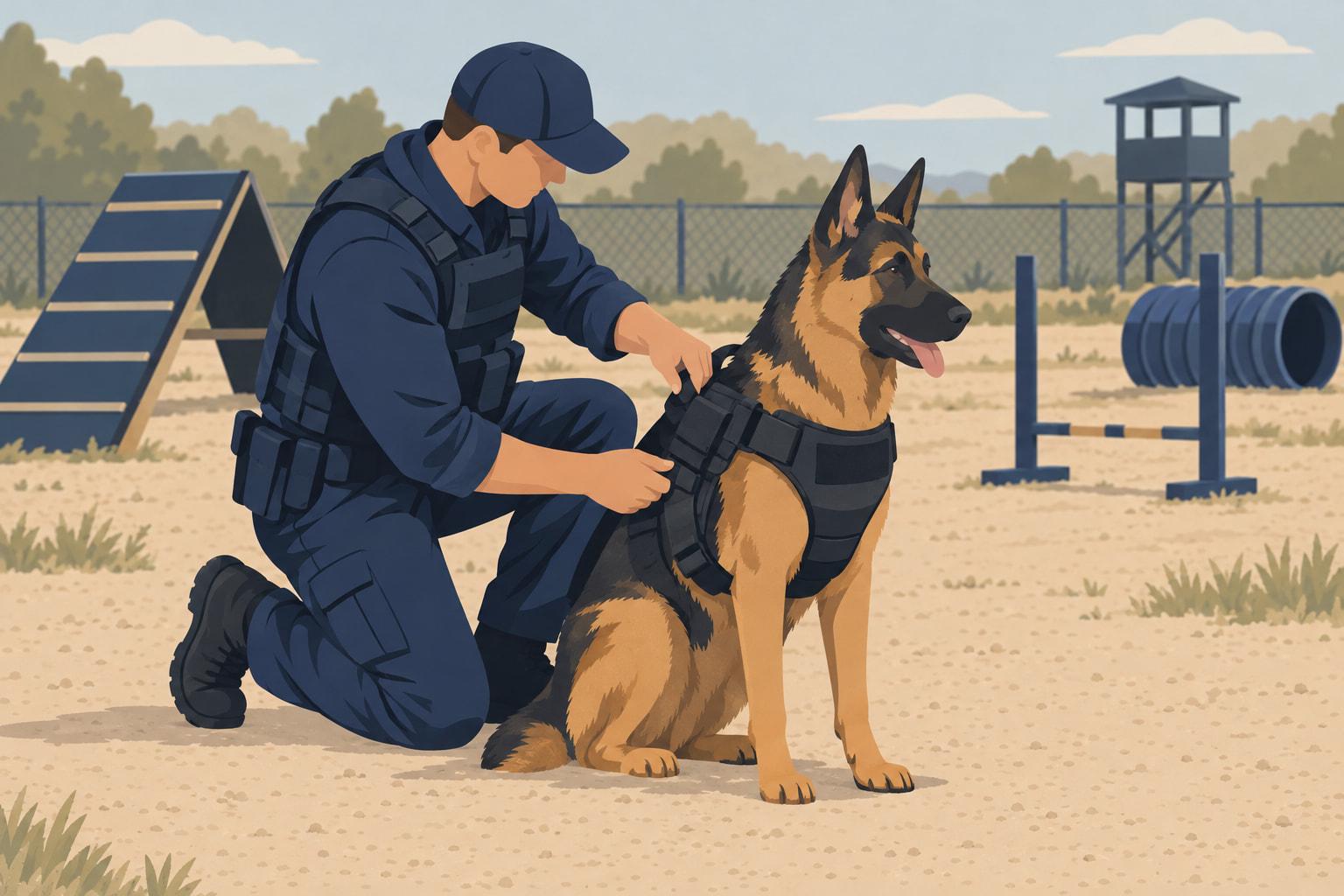
Yes, mostly from a few specialized foundations. The Stanton K-9 Foundation paid nine recipients in five states a median of $12,500, including $51,900 to the Waldo County Sheriff's Office in Maine; the Stanton Foundation paid it $12.3 million in the tax years on file. The MECA Wisconsin Police Canine Vest Foundation paid 19 recipients in two states a median of $20,000, including the Kenosha County Sheriff's Department and the North Fond du Lac Police Department.
Both returns say preselected only, so make sure each foundation knows your unit exists instead of sending a proposal. Many departments raise K-9 money locally: the Kunes Family Foundation, for example, gave $2,000 to the Rock Falls Police K9 Fund in Illinois. Tractor Supply's largest police recipient was the National Police Dog Foundation, which received $250,000 over two grants.
Read the recipient before counting a funder as a K-9 funder. Many grants with "K9" in the recipient's name went to dog rescues, such as Paws for Life K9 Rescue in California and Mission K9 Rescue in Texas, not to police units.
How Much Do Foundations Give Police Departments?
Usually less than $5,000. In GrantCue's analysis of IRS Form 990-PF returns for tax years 2022 through 2025, 5,611 of the 8,850 grants to police departments and police groups were under $5,000, and the most common size was under $1,000.
Source: GrantCue's analysis of IRS Form 990-PF returns, tax years 2022 through 2025.
Seventeen grants of $1 million or more make up $85.8 million, or 43%, of the $197.7 million total. The largest, about $27 million, moved between two police training foundations in Decatur, Illinois; others went to a civic club's foundation, community foundations, a law enforcement academy and big-city police foundations. What a funder has already paid agencies like yours is the better guide.
The purpose lines show what small grants buy. The Emporium Foundation gave the Emporium Borough Police Department in Pennsylvania $4,000 for a "ballistic vest," and the Bamert Seeds for Success Foundation gave $5,000, through a local ministerial alliance, for defibrillators in Bailey County Sheriff's Office patrol cars in Texas.
Most grants on file come from 2024 returns (4,723 grants, $131.0 million) and 2025 returns (3,402 grants, $56.1 million). Foundations are still filing 2025 returns, so the gap is not a trend. Ask each foundation for one item at a size it already pays, and save the large requests for COPS, JAG, BVP and USDA.
Where Are the Foundations That Fund Police Departments?
Florida, California and New York have the most foundations paying police agencies and police groups. The table lists the 15 states with the most foundations; each link opens GrantCue's free list of foundations in that state, with no account needed.
Source: GrantCue's analysis of IRS Form 990-PF returns, tax years 2022 through 2025. States are where the grants went.
Single gifts move the dollar column. Illinois shows $42.2 million, but $37.7 million of it was the training-foundation transfer and a $10 million gift to a civic club's foundation. Georgia's $20.1 million includes the $15 million that went to the Atlanta Police Foundation. Florida's count includes many gifts to the Florida Sheriffs Youth Ranches, a youth charity whose name matched, so not every grant there reached police work. The median shows the typical grant: $500 in Tennessee, $1,000 to $2,500 in most states, $5,000 in California.
Do Policing Research Grants and Matching Gifts Count as Police Grants?
No. Two kinds of money show up in the police figures without being grants a department can apply for: research and reform funding, and employee matching gifts.
The Laura and John Arnold Foundation paid 30 grants worth $6.6 million, but the money went to research universities and policy groups studying policing, such as New York University, not to departments. The Motorola Solutions Foundation paid $2.4 million, its largest grants to national organizations: $1 million to the Police Executive Research Forum and $320,000 to Concerns of Police Survivors. Some funders matched only because a recipient's name mentions police, such as the California Endowment's grants to groups that campaign against police violence.
Several company foundations appear because employees gave to or volunteered with police groups and the company matched it: the Edward Jones Foundation paid 25 such grants with a median of $200, the JPMorgan Chase Foundation 24 with a median of $270, and the Verizon Foundation 16 with a median of $750. Each latest return says preselected only. This is employee giving, reached through your own people: ask officers and supporters who work for large employers whether the company matches gifts or volunteer hours.
How Do You Apply for a Police Department Grant?
Match each need to the source that pays for it, then work to the calendars:
- Write the need with your own numbers: calls for service, officer count, the age of vests, cars and radios, and the community problem you want to address.
- Get written quotes, so every budget line has a price.
- Register early: an active SAM.gov registration, renewed every year, comes before any Grants.gov or JustGrants application.
- Sort the list by source. Hiring and community policing fit COPS; vests fit BVP and state body armor programs; other equipment and training fit JAG pass-through money; rural stations and vehicles fit USDA; small equipment, K-9 costs and community programs fit local foundations and companies.
- For foundations, read each funder's latest Form 990-PF before writing. The guide to reading a 990-PF grant list shows where the grantees, amounts and application rules sit, and many small family foundations that give to police have no website; finding local family foundations without websites covers how to reach them.
- If your city has a police foundation or athletic league, agree with it on who asks which funder, so one foundation does not get two requests from the same town.
For a joint public safety project, the guide to grants for fire departments covers the funders on the fire service side. For the general method across every kind of funder, see the guide to finding grants for nonprofits. Each foundation with a profile link above has a free GrantCue profile with its largest past grants, and a free GrantCue account can save the ones that fit your agency and track their deadlines.
FAQ
How Do Police Departments Get Funded?
Most of a police department's budget comes from the city, county or state that runs it. Grants add to that: the COPS Office pays for hiring and community policing, Byrne JAG and state pass-through funds cover equipment and training, the Bulletproof Vest Partnership reimburses up to half the cost of vests, and foundations give smaller amounts, usually under $5,000, for equipment, K-9 units and community programs.
How Do You Apply for a COPS Grant?
Watch the COPS Office grants page and sign up for its notifications, since every fiscal year 2026 program there is marked closed. Keep an active SAM.gov registration, renewed every year, with the notarized Entity Administrator letter. When a program opens, submit the SF-424 at Grants.gov by the first deadline, then finish the full application in JustGrants by the second, which came about a week later in the 2026 programs.
How Do Police Grants Work?
Federal police grants come in two forms. Formula grants such as Byrne JAG are divided among states and listed local governments by a set formula, and states may pass part of their share on. COPS Office programs take applications each year through Grants.gov and JustGrants. BVP pays back up to 50% of vest costs. Foundation grants follow each funder's own rules.
Can a Police Department Get a Grant for a Police Car?
Yes, in some cases. USDA Community Facilities lists police vehicles among eligible uses in rural areas of 20,000 or fewer residents, with the grant capped at 15% to 75% of the cost depending on population and income. JAG money can pay for equipment, and state agencies may pass it through. Foundations seldom pay for a whole car; ask funders that have paid departments $25,000 or more for a share.
Are There Private Grants for Law Enforcement?
Yes. GrantCue's analysis of IRS Form 990-PF returns for tax years 2022 through 2025 found 4,181 foundations that paid police departments, sheriff's offices and police groups. Most private grants are small: about 37% were under $1,000 and about 63% under $5,000. Among funders that paid agencies directly, a farm retailer's foundation, a K-9 vest charity, a regional bank, railroads and an energy company paid the most.
Are There Grants for Police Officer Mental Health?
Yes. The COPS Office runs the Law Enforcement Mental Health and Wellness Act program, though its fiscal year 2026 round closed in August 2026. For crisis response, Byrne JAG lists mental health programs and crisis intervention teams among its program areas. Some states have their own funds: Texas lists a First Responder Mental Health grant that pays for services to peace officers and first responders.
Get Your Agency Ready Before the Next COPS and JAG Rounds
The fiscal year 2026 COPS programs and Local JAG deadlines have passed, so now is the time to renew registrations, collect quotes and write the needs statement before the next round opens. Foundation and state money moves on calendars you can learn now.
Start this week with the foundations that already fund agencies near you: open your state's free list from the table above or from GrantCue's foundation directory, open each funder's profile to see its largest past grants, and note which ones list how to apply. Then create a free GrantCue account to save the funders that fit, track their deadlines and see new grants open as they are posted.