Coca-Cola Foundation Grants: Who Can Apply and Where Local Groups Should Ask
How Coca-Cola gives to nonprofits in 2026: the Coca-Cola Foundation's invitation-only grants, what its 2024 Form 990-PF shows, its Atlanta giving, and how to request donations from local Coca-Cola bottlers.
In this article (11)
- Quick Answer: Can you apply for a Coca-Cola Foundation grant?
- Does Coca-Cola offer grants to nonprofits?
- Does the Coca-Cola Foundation accept grant applications?
- What does the Coca-Cola Foundation fund?
- Where do Coca-Cola Foundation grants go?
- Does Coca-Cola support Atlanta nonprofits?
- How do you get donations from your local Coca-Cola bottler?
- What about Coca-Cola scholarships and employee giving?
- How does Coca-Cola compare with other food and beverage company foundations?
- FAQ
- What should you do next?
The Coca-Cola Foundation awards more than 200 grants a year, but its website says it does not accept unsolicited proposals for grants (The Coca-Cola Company, The Coca-Cola Foundation, read November 2026). For a local nonprofit, the realistic source of Coca-Cola support is the regional bottler that serves its area, a separate company with its own donation request process.
Quick Answer: Can you apply for a Coca-Cola Foundation grant?
Not without an invitation. The Coca-Cola Foundation's website says it does not accept unsolicited proposals, even though its 2024 return lists how to apply. Local nonprofits can ask their regional Coca-Cola bottler instead, a separate company with its own donation process, such as Coca-Cola UNITED in the Southeast or Coke Florida.
Does Coca-Cola offer grants to nonprofits?
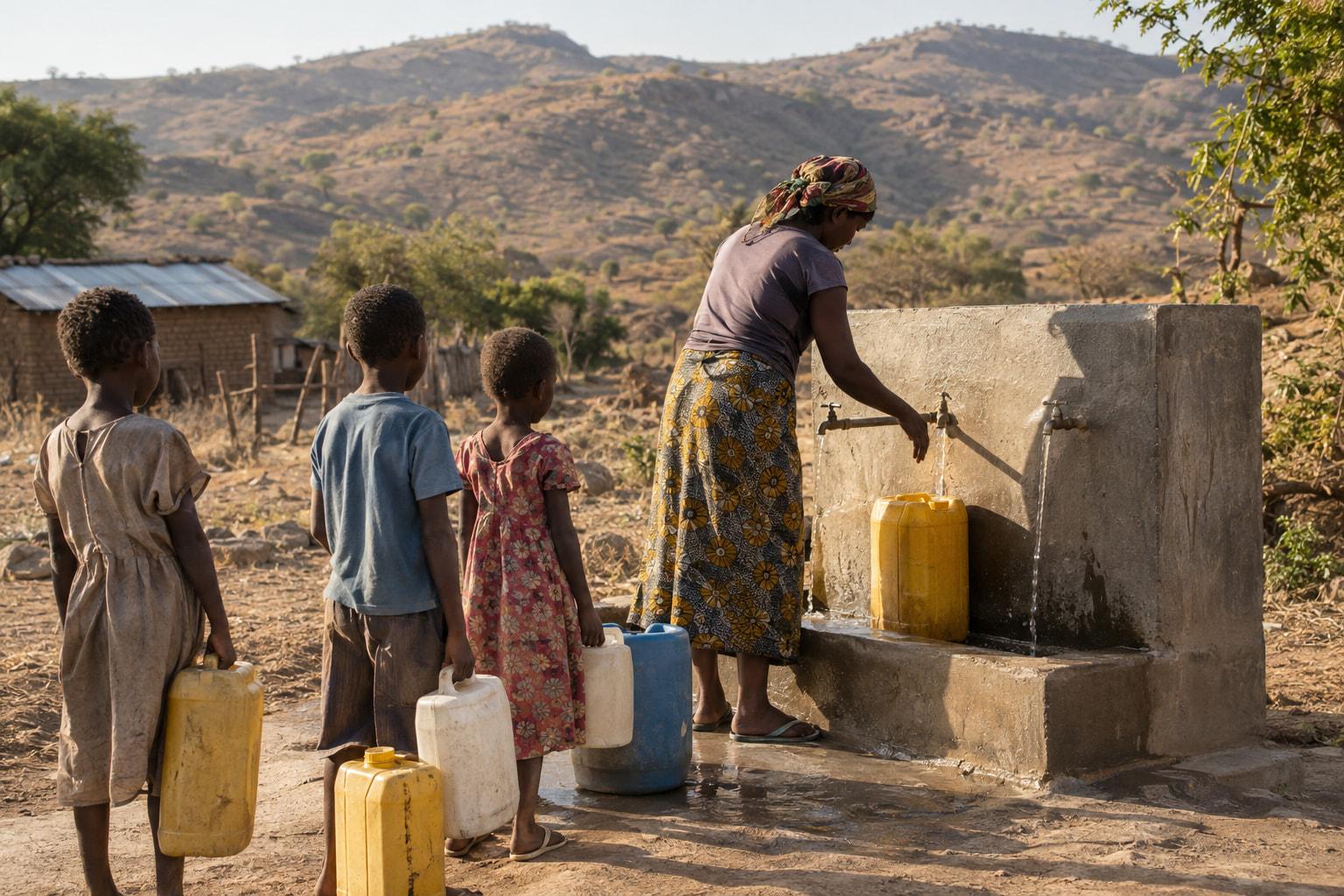
Yes, through four different organizations, and only some of them take requests. The Coca-Cola Foundation, the company's philanthropic arm, says it has awarded more than $1.8 billion in grants over the past 40 years and more, and that it awards over 200 grants a year. Its listed focus areas are safe water, watershed conservation, recycling value chains, disaster preparedness and response, economic prosperity, employee giving, and its hometown of Atlanta.
Sources: The Coca-Cola Foundation page, The Coca-Cola System page, Coca-Cola UNITED and Coca-Cola Scholars Foundation sites, read November 2026.
The bottler row matters most. The Coca-Cola Company works with more than 200 bottling partners worldwide and says it "does not own, manage or control most local bottling companies" (The Coca-Cola Company, The Coca-Cola System, read November 2026). The bottler in your region makes its own giving decisions.
Does the Coca-Cola Foundation accept grant applications?
No, not unsolicited ones. The Foundation's page says: "Out of respect for the time and resources of all our stakeholders, we do not accept unsolicited proposals for grants." The page also links a Community Partner Portal, but it does not say that the portal takes new proposals, so do not read it as an application form.
That is different from what the Foundation told the IRS. Its 2024 Form 990-PF (IRS, read November 2026) fills in the section on how to apply and does not tick the box for giving only to preselected organizations. When a return and a website disagree, go by the website, since it is updated more often and reflects current practice. The Foundation's own page links to its 990.
What still works with a funder like this:
- Know its focus areas and partners. The Foundation's grants go mostly to established organizations working on water, recycling, disaster relief, economic opportunity and Atlanta community programs. If your work fits, the realistic route in is through those partners or through an introduction, not a cold proposal.
- Watch for open calls. If the Foundation or one of its partners posts a request for proposals in your field, that is your opening. GrantCue's guide to how invitation-only and RFP-only foundations choose grantees explains how those invitations usually start.
- Spend most of your effort elsewhere. GrantCue's guide to foundations that do not accept unsolicited proposals covers how to weigh a closed funder against open ones.
What does the Coca-Cola Foundation fund?
The Coca-Cola Foundation's 2024 return lists 246 grants totaling $117.2 million to 199 recipients, with a median grant of about $257,000. That is GrantCue's analysis of its Form 990-PF. Only the 2024 return is on file, so these figures describe one year, not a trend. The Coca-Cola Foundation profile on GrantCue shows its giving by year and its largest grants, and a free account opens the full grant list, which you can filter by purpose, state and year.
The Coca-Cola Foundation grants by size, tax year 2024
Source: GrantCue's analysis of IRS Form 990-PF returns, tax year 2024.
Nearly four in five grants, 195 of 246, fell between $100,000 and $999,999, and 33 grants of $1 million or more took 47% of the money. Only 18 grants were under $100,000.
The largest recipients on the 2024 return show the Foundation's priorities:
- World Wildlife Fund: $7.7 million in four grants
- International Union for Conservation of Nature: $5.3 million in two grants
- United Nations Development Programme, regional bureau in Bangkok: $5.0 million
- U.S. Soccer Federation: $4.0 million
- CARE: $2.9 million in four grants
- American National Red Cross: $2.5 million in five grants
- Conservation International and Global Water Challenge: about $2.5 million each
By GrantCue's matching of recipient names, 32 grants worth $10.0 million went to disaster relief organizations, 17 worth $8.9 million to arts and culture, 22 worth $4.9 million to colleges and universities, and 12 worth $3.0 million to youth organizations. The return also shows grants far from the United States: a community water project in Bangladesh, a small business program in Chile and a circular economy project in New Zealand, each between $250,000 and $263,375.
Where do Coca-Cola Foundation grants go?
About a quarter of the 2024 dollars went to organizations in Washington, D.C., and about 16% to Georgia, the Foundation's home state.
Where Coca-Cola Foundation grants went, tax year 2024
Source: GrantCue's analysis of IRS Form 990-PF returns, tax year 2024. The location is the recipient's address on the return, not where the money was spent.
Several state totals are one or two recipients. Washington, D.C., holds national and international groups such as World Wildlife Fund, the International Union for Conservation of Nature and the Red Cross. Florida's $11.3 million is mostly one recipient: 13 payments totaling $9.6 million to the American Online Giving Foundation in Clearwater. The return does not say what those payments were for, so a Florida nonprofit should not read the state total as money for Florida programs. Virginia's total includes Conservation International and Global Water Challenge, both in Arlington.
Georgia has the most grants of any state, 50, and many of them go to Atlanta-area organizations.
Does Coca-Cola support Atlanta nonprofits?
Yes. Atlanta is the one place where the Foundation describes a community program: its Hometown focus covers education, youth development, arts and culture, the environment and civic priorities in Coca-Cola's corporate hometown. Georgia organizations received 50 grants worth $18.5 million in 2024.
A run of $250,000 grants on the 2024 return went to Atlanta-area colleges for first-generation college scholarships, by their purpose lines: Clark Atlanta University, Georgia State University Foundation, Kennesaw State University Foundation, Morehouse College, Clayton State University Foundation and Georgia Tech Foundation. Other Atlanta grants include $1.65 million to the United Way of Greater Atlanta, $250,000 to the Atlanta Community Food Bank and $250,000 to the Piedmont Park Conservancy.
Those amounts and names show the Atlanta program works with large, established institutions. The same rule applies there as elsewhere: the website does not take unsolicited proposals. An Atlanta nonprofit that fits the Hometown focus should look for an introduction through a current partner, and in the meantime build its list from the free Georgia foundation list on GrantCue.
How do you get donations from your local Coca-Cola bottler?
Find the bottler that serves your area and use its own request process; most bottlers give cash, product and sponsorships under their own guidelines. Three examples from bottlers' own pages:
Coca-Cola UNITED says its more than 60 facilities across the Southeast give through monetary contributions, product and in-kind donations, event sponsorships, volunteer engagement and community advocacy (Coca-Cola UNITED, Community Giving Guidelines, read November 2026). Its rules:
- May support: organizations located within its operating areas, with 501(c)(3) status, that align with its focus areas (education and youth development, empowerment, community well-being and environmental stewardship), respond to local needs, offer chances for its associates to take part and encourage collaboration.
- Cannot support: individuals, family reunions, religious beliefs or institutions, fraternities and sororities, for-profit organizations, political, legislative or lobbying organizations, and organizations without 501(c)(3) status.
- Timing: it recommends asking for monetary donations by August for the following calendar year, and asking for in-kind and product donations at least four weeks before the event.
Coke Florida (Coca-Cola Beverages Florida) says its community support aligns with three pillars, sustainability, education and economic empowerment, and takes requests through its donations and sponsorship portal (Coke Florida, Community, read November 2026).
Reyes Coca-Cola Bottling lists product donations, philanthropic support, sponsorships, volunteerism and disaster relief among its community work (Reyes Coca-Cola, Our Community, read November 2026).
The Coca-Cola System page links to a list of bottling partners, which is the quickest way to find the company that serves your county. Bottler timelines matter: Coca-Cola UNITED's August date means a request for a spring 2027 event should have gone in by August 2026, while a product donation for an event needs only four weeks. GrantCue's donation proposal template fits a product or sponsorship request.
What about Coca-Cola scholarships and employee giving?
Neither is a grant a nonprofit can apply for. The Coca-Cola Scholars Foundation is a separate organization that offers college scholarships to high school students; it says it has supported more than 7,050 young people over 37 years, and its 2026 class had 150 scholars (Coca-Cola Scholars Foundation, home page, read November 2026). Students apply directly.
The Coca-Cola Foundation's employee giving program matches donations from employees and supports their volunteer efforts with charitable organizations in the United States. A nonprofit cannot apply to it, but if Coca-Cola employees already give or volunteer with you, ask them whether their gifts or hours qualify.
The first-generation scholarship grants to Georgia colleges described above are a third, different thing: grants to the colleges, which award the scholarships to their own students.

How does Coca-Cola compare with other food and beverage company foundations?
The large food and beverage company foundations in GrantCue's data mostly give only to organizations they choose, and the ones whose returns list how to apply give large grants.
Food, beverage and Atlanta company foundations, latest tax year on file
Source: GrantCue's analysis of IRS Form 990-PF returns, tax year 2024 for every row. Medians cover all years on file: 2023 and 2024 for Starbucks, 2024 for the others. The UPS Foundation's return reports one total and puts its grant list in an attachment GrantCue cannot read, so it has no count or median here.
The PepsiCo and Starbucks foundations say on their returns that they give only to organizations they choose, and the Cargill Foundation sent 99% of its 2024 dollars to Minnesota. For a food bank, a school or a youth program, the bottler, a community foundation and local family foundations are usually better first asks. The guide to corporate grants for nonprofits compares company foundations by typical grant and by whether they take applications. GrantCue's guide on how to find grants for nonprofits walks through where to look.
FAQ
Does Coca-Cola offer grants to nonprofits?
Yes, but mostly by invitation. The Coca-Cola Foundation awards over 200 grants a year in areas such as safe water, recycling, disaster relief, economic prosperity and its Atlanta hometown, and its website says it does not accept unsolicited proposals. Local Coca-Cola bottlers, which are separate companies, give cash, product donations and sponsorships in their own territories and take requests through their own guidelines and forms.
How do I contact Coca-Cola for donations?
Contact the Coca-Cola bottler that serves your area, not The Coca-Cola Company. Bottlers make their own giving decisions and run their own request forms: Coca-Cola UNITED in the Southeast posts community giving guidelines and an application, and Coke Florida takes requests through its donations and sponsorship portal. The Coca-Cola System page links a list of bottling partners. The Coca-Cola Foundation itself does not accept unsolicited grant proposals.
Is there a Coca-Cola Foundation grant application form?
Not for unsolicited requests. The Foundation's page says it does not accept unsolicited proposals for grants. It links a Community Partner Portal, but the page does not describe it as a place to submit new proposals. The Foundation's 2024 Form 990-PF lists how to apply, but the website is the more current statement of practice. Bottlers such as Coca-Cola UNITED do have application forms for local donation requests.
How much does the Coca-Cola Foundation give per grant?
The Coca-Cola Foundation's median grant was about $257,000 in 2024, according to GrantCue's analysis of its Form 990-PF return, which lists 246 grants totaling $117.2 million. Of those, 195 grants fell between $100,000 and $999,999 and 33 were $1 million or more; only 18 were under $100,000. These are grants to established organizations, mostly by invitation, not small community grants.
Does the Coca-Cola Foundation give scholarships?
Not to individuals directly. The Coca-Cola Scholars Foundation, a separate organization, offers college scholarships to high school students, who apply to it directly. The Coca-Cola Foundation's 2024 return shows $250,000 grants to several Atlanta-area colleges, including Clark Atlanta University, Georgia State and Morehouse College, for first-generation college scholarships that the colleges award to their own students.
Can a church get a donation from a Coca-Cola bottler?
It depends on the bottler. Coca-Cola UNITED, which serves parts of the Southeast, lists religious beliefs or institutions among the things it cannot fund or support, and it requires 501(c)(3) status. Other bottlers set their own rules, so read the guidelines of the bottler that serves your area before asking. A church-run program that is a separate 501(c)(3), such as a community food pantry, may fit a bottler's guidelines better than the church itself.
When should you ask a Coca-Cola bottler for a donation?
Early. Coca-Cola UNITED recommends asking for monetary donations by August for the following calendar year, to meet its budgeting timelines, and asking for in-kind and product donations at least four weeks before the event. Other bottlers set their own timelines. If you want cash support for a 2027 event, ask your bottler now how its budget calendar works.
What should you do next?
Find the Coca-Cola bottler that serves your area, read its giving guidelines and note its budget date, then send a short, specific request. Keep the Coca-Cola Foundation on your watch list rather than your application list. Then look for funders that take requests now: browse open grants on GrantCue, check the free foundation list for your state (for example the Georgia list), and create a free GrantCue account to save the grants that fit, track their deadlines and get alerts when new ones open.