Free Grant Proposal Software: Your No-Cost Ticket to Winning More Funding (Without Selling a Kidney)
Discover the best free grant proposal software options that can help your nonprofit write compelling proposals, stay organized, and win more funding—all without spending a dime. This comprehensive guide breaks down what to look for, what actually works, and how to build a winning grant-writing stack on a zero-dollar budget.
Let's be real for a second: grant writing is hard. Like, really hard. You're juggling deadlines, wrestling with confusing NOFO documents, and somehow expected to craft prose compelling enough to make a funder weep tears of philanthropic joy—all while running on coffee and optimism.
So when someone mentions free grant proposal software, it sounds almost too good to be true. Like finding a twenty-dollar bill in your coat pocket, but better because it might actually help you secure thousands (or millions) in funding.
Good news: free grant proposal software exists, and some of it is genuinely useful. Let's dive into what's out there, what actually works, and how to build a grant-writing toolkit that won't cost you anything but time.
What Even Is Free Grant Proposal Software?
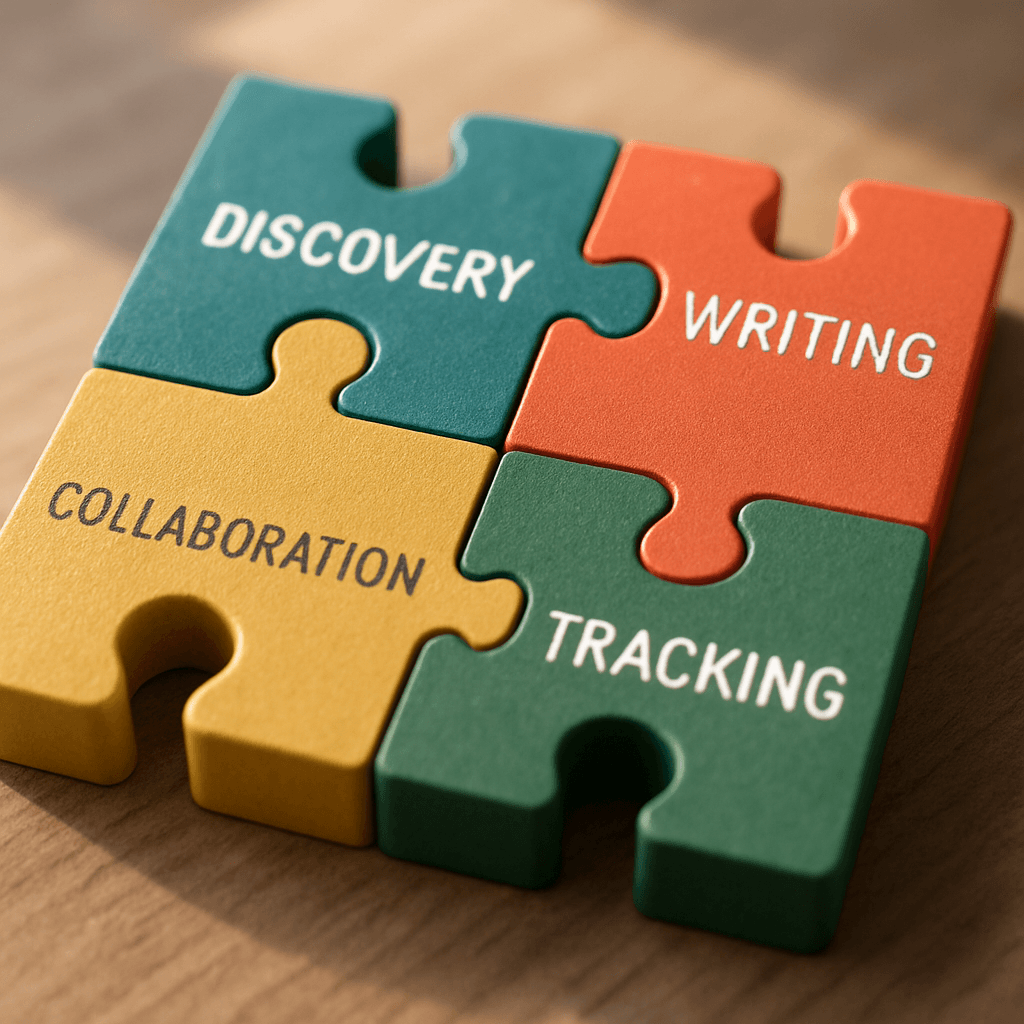
Before we go tool-shopping, let's clarify what we're hunting for. Free grant proposal software typically falls into a few categories:
Discovery tools help you find grants worth pursuing. Writing assistants help you draft proposals faster. Collaboration platforms keep your team from accidentally submitting three different versions of the same application. And tracking systems ensure you never miss another deadline (because we've all been there).
The best grant-seeking operations combine several of these elements. Think of it like assembling a superhero team—each tool has its specialty, but together they're unstoppable.
The Government's Gift: Grants.gov Workspace
Let's start with the most obvious option: Grants.gov Workspace. It's free, it's official, and it's the portal through which most federal grant applications flow anyway.
Workspace lets you collaborate with team members directly on federal applications, fill out forms online, and submit everything through one interface. Is it glamorous? Absolutely not. The user experience feels like it was designed by someone who really, really loved filing cabinets in 1997. But it works, and for federal grants, you'll end up here regardless.
The catch? Workspace only handles federal applications. If you're pursuing foundation or corporate grants, you'll need additional tools in your arsenal.
AI-Powered Writing Assistants: The New Kids on the Block
Artificial intelligence has crashed the grant-writing party, and honestly, it's about time. Several platforms now offer free tiers that can help you draft proposal sections, refine your language, and even match your organization's tone.
These tools work best when you treat them like a very enthusiastic intern: capable of producing solid first drafts, but requiring your expertise to transform output into something truly compelling. Never submit AI-generated content without thoroughly reviewing and personalizing it. Funders can spot generic proposals from a mile away, and nothing says "I don't really care about your mission" like boilerplate language.
Platforms like Grantboost and similar tools offer freemium models where basic features cost nothing. You can input grant requirements, your organization details, and receive drafted sections to work from. It's not magic, but it can shave hours off your writing time.

The Productivity Suite Approach
Sometimes the best free grant proposal software isn't "grant software" at all—it's the productivity tools you're already using.
Google Workspace remains a powerhouse for collaborative writing. Multiple team members can edit the same document simultaneously, leave comments, and track changes. Create a shared folder structure organized by funder and deadline, and you've got yourself a functional grant management system.
Notion, Trello, and similar platforms offer free tiers that work beautifully for tracking your grant pipeline. Visualize opportunities moving from "Researching" to "Drafting" to "Submitted" to "Awarded" (the best stage, obviously). The satisfaction of dragging a card to "Awarded" is unmatched.
These DIY approaches require more setup than purpose-built tools, but they're completely free and endlessly customizable. Check out GrantCue's take on why teams are ditching spreadsheets for more insights on when to level up.
What to Look for in Free Grant Proposal Software
Not all free tools are created equal. Here's what separates the genuinely useful from the frustratingly limited:
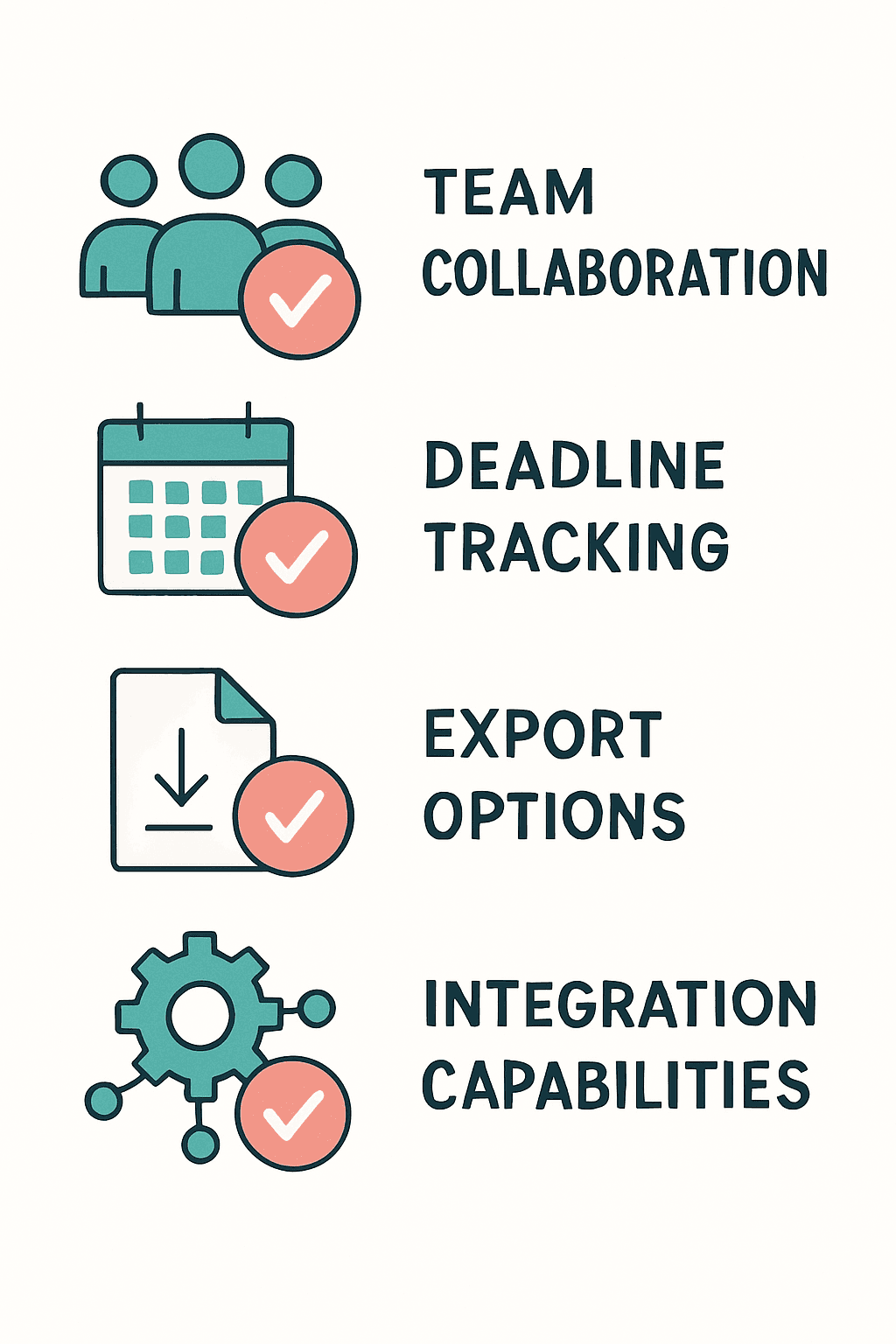
Collaboration features matter. Grant writing is rarely a solo sport. Your development director needs to weigh in. Finance has to approve the budget. The executive director wants final review. Any tool that doesn't support multiple users is basically useless for real-world grant operations.
Deadline tracking is non-negotiable. Missing a submission deadline means all your work evaporates into nothing. Quality free grant proposal software should help you see what's coming and when.
Export capabilities are crucial. Eventually, you need to get your beautiful proposal out of the software and into the funder's hands. If a tool locks your content in proprietary formats, run away.
Integration potential adds long-term value. Can it connect with your calendar? Your email? Your project management system? The best tools play nicely with others.
Building Your Free Grant-Writing Stack
Here's a practical approach to assembling a zero-cost grant toolkit:
For discovery: Start with Grants.gov for federal opportunities. Bookmark SAM.gov for registration and entity management. Set up Google Alerts for foundation announcements in your focus areas.
For writing: Use Google Docs for drafting with your team. Supplement with a free AI writing assistant for overcoming blank-page paralysis. Keep Grammarly's free tier running to catch embarrassing typos.
For tracking: Build a simple Kanban board in Trello or Notion. Create stages that match your workflow. Add due dates religiously.
For the whole picture: This is where purpose-built platforms shine. Solutions like GrantCue combine discovery, tracking, collaboration, and AI assistance in one workspace. The free tier gets you started, and you can upgrade as your grant program grows.
When Free Isn't Enough
Let's have an honest conversation. Free grant proposal software has limitations. You might hit user caps, storage limits, or feature restrictions right when you need them most. Free tiers often lack advanced reporting, which makes it harder to demonstrate your team's impact.
As your grant program matures, investing in dedicated grant lifecycle management tools often pays for itself through increased efficiency and higher win rates. The question isn't whether paid tools are worth it—it's whether your current grant volume justifies the investment.
For organizations just starting their grant journey, or those pursuing only a handful of opportunities annually, free tools work beautifully. If you're managing dozens of active applications with multiple team members, you might be leaving money on the table by not upgrading.
The Bottom Line: Start Free, Scale Smart
Free grant proposal software is absolutely viable for building or running a grant program. The tools available today are more powerful than what organizations paid thousands for just a decade ago.
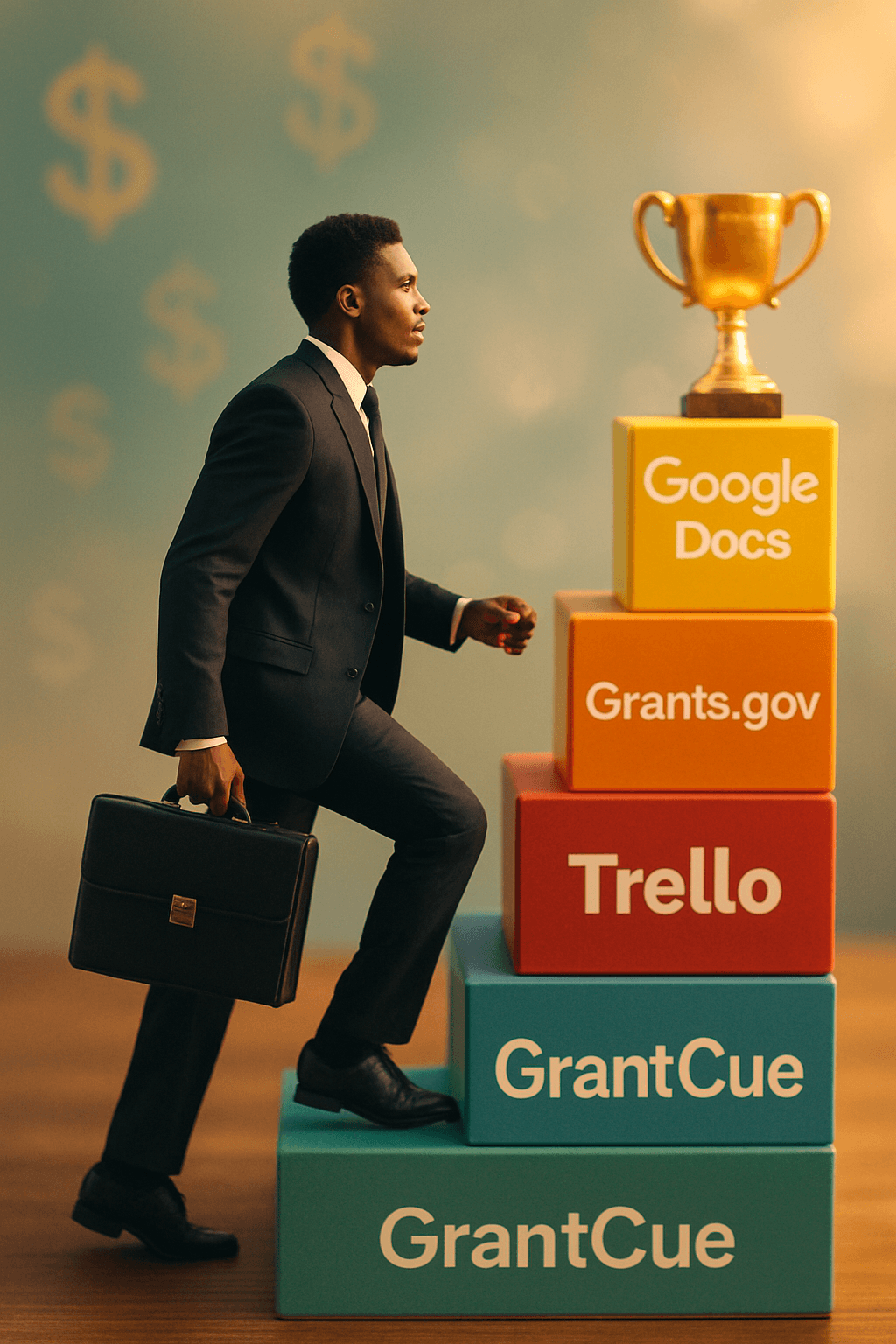
The secret isn't finding one perfect tool—it's building a complementary stack that covers discovery, writing, collaboration, and tracking. Start with what costs nothing, learn what your team actually needs, and invest strategically when free options become limiting.
Remember: the best grant proposal isn't written with the fanciest software. It's written by someone who deeply understands their organization's mission, clearly articulates how proposed activities align with funder priorities, and submits on time with all required attachments.
Software helps. Passion and preparation win.
Ready to see what modern grant management looks like? Explore GrantCue's features and discover how teams are replacing spreadsheet chaos with streamlined workflows. Your first grant tracked is completely free—no credit card, no commitment, no kidney sales required.
---
Looking for more grant resources? Dive into our guide on free grant writing software and AI tools, or explore grant calendar mastery to never miss another deadline.