Back to blog
Grant Management
GrantHub
Nonprofit Software
Grant Tracking
Foundant Technologies
Grant Applications
Nonprofit Technology

GrantHub: What Nonprofits Need to Know in 2025 and Beyond

Photo by Kindel Media via Pexels
Nonprofit team collaborating in a modern office meeting around documents and laptops

GrantCue Team

Dec 9, 2025

7 min read

Comprehensive guide covering GrantHub's features, the platform sunset, and what nonprofits should consider when evaluating grant management alternatives in 2025 and beyond.

Managing grants effectively can determine whether a nonprofit thrives or struggles. For years, GrantHub stood as one of the go-to solutions for organizations looking to centralize their grant operations. But the landscape shifted dramatically when Foundant Technologies announced that both GrantHub and GrantHub Pro would sunset on January 31, 2026.

If you're currently using GrantHub or evaluating grant management tools, this guide covers everything you need to understand about the platform, its capabilities, and what options exist as the industry evolves.

Understanding What GrantHub Brought to Grant Management

GrantHub, developed by Foundant Technologies, was designed specifically for grantseekers rather than grantmakers. This distinction matters because most grant software targets foundations managing their giving programs. GrantHub flipped that model, focusing on the organizations actually applying for and managing awarded funds.

The platform offered two primary versions. The standard GrantHub package concentrated on pre-award activities like funder research, application tracking, and deadline management. Organizations paid around $995 annually or roughly $95 monthly for access. GrantHub Pro expanded those capabilities to include post-award functions such as expense tracking, budget management, and compliance reporting at approximately $349 per month.

Several features made GrantHub particularly attractive to small and mid-sized nonprofits. The centralized dashboard kept all grant-related information accessible in one location. Teams could track multiple applications simultaneously without losing details in email chains or scattered documents. The task management system assigned responsibilities to specific team members with automated reminders as deadlines approached.

Integration with research databases like GrantStation and Candid provided access to funder information directly within the platform. Users could search for potential funders, review 990 data, and identify giving patterns without switching between multiple websites.

The customizable workflow options allowed organizations to tailor the system to their specific processes. Custom fields captured data unique to each nonprofit's operations. Reporting features generated insights about grant activity, success rates, and pipeline health. For organizations managing complex grant portfolios, these capabilities transformed scattered processes into coordinated operations.

Why the GrantHub Sunset Matters

The decision to discontinue GrantHub represents more than a single product ending. It reflects broader consolidation in the grant management software market. Foundant chose to focus its resources on solutions for grantmakers, leaving grantseekers to find alternatives.

This transition affects thousands of organizations that built their processes around GrantHub's specific workflows. Data migration becomes a real concern. Years of funder relationships, historical grant information, and institutional knowledge sit within systems that will cease functioning.

Timing presents additional challenges. Many nonprofits operate with limited staff and tight budgets. Researching alternatives, evaluating features, negotiating contracts, migrating data, and training teams requires significant bandwidth that most organizations simply don't have in abundance.

Photo by Thirdman via Pexels

Core Capabilities Every Grant Management Tool Should Offer

Whether you're transitioning from GrantHub or selecting your first dedicated grant management platform, certain capabilities prove essential for effective operations. Understanding these features helps evaluate any solution objectively.

Centralized Grant Tracking

Scattered information kills grant productivity. When application details live in one spreadsheet, funder contacts in another, and deadlines on someone's personal calendar, mistakes happen. According to research from the Nonprofit Finance Fund, organizations with centralized data management report significantly higher grant success rates.

Effective platforms consolidate everything: funder profiles, application status, associated tasks, documents, communication history, and financial data. This single source of truth eliminates the confusion that comes from hunting through files and inboxes.

Deadline Management and Reminders

Missing a grant deadline doesn't just lose one opportunity. It damages relationships with funders and wastes the considerable time invested in preparation. Proper deadline tracking goes beyond simple calendar entries.

Look for systems that provide progressive reminders at customizable intervals. Some grants require months of preparation while others move quickly. Flexible reminder settings accommodate different timelines rather than applying one-size-fits-all notifications.

Document Organization

Grant applications generate substantial paperwork: proposals, budgets, organizational documents, letters of support, and financial statements. Post-award reporting adds more. Without structured storage, finding specific documents becomes increasingly frustrating as your grant portfolio grows.

Cloud-based document management with robust search functionality and logical organization structures keeps everything accessible. The ability to attach documents directly to specific grants or funders prevents the chaos of generic file folders.

Financial Tracking and Compliance

Winning grants creates obligations. Funders expect their money used as proposed with proper documentation proving compliance. Some require interim reports while others audit after completion.

Budget tracking within grant management software connects proposed budgets to actual expenses. This visibility helps identify potential problems early rather than discovering overspending when preparing final reports.

Compliance features vary significantly between platforms. Federal grants through agencies like the National Science Foundation or Department of Health and Human Services carry specific reporting requirements. Private foundations have their own expectations. The right software adapts to these varied obligations rather than forcing all grants into identical frameworks.

Evaluating Your Options Moving Forward

The GrantHub sunset pushes organizations to make decisions about their grant management approach. Several paths forward exist, each with distinct advantages and considerations.

Spreadsheets and Manual Systems

Some organizations, particularly those managing fewer than ten active grants, consider returning to basic tools. Spreadsheets cost nothing and offer complete customization. However, manual systems introduce significant risks as grant portfolios grow.

Version control issues arise when multiple team members access the same files. There's no automated reminders without considerable setup effort. Searching historical information means scrolling through endless rows. Organizations often outgrow spreadsheet approaches faster than anticipated.

Alternative Grant Management Platforms

The market offers numerous alternatives ranging from enterprise solutions like Blackbaud Grantmaking to focused tools like Instrumentl. Pricing varies considerably from free basic tiers to substantial monthly fees for comprehensive features.

When evaluating alternatives, consider your organization's specific needs. Federal grant compliance requirements differ from private foundation relationships. Growing organizations need scalability that smaller platforms might not provide. Integration capabilities with existing accounting and CRM systems affect operational efficiency.

User adoption presents another crucial consideration. The most feature-rich platform provides little value if your team finds it confusing or cumbersome. During evaluation, involve actual users in demos and trials. Their feedback reveals practical limitations that sales presentations often obscure. Training requirements and ongoing support quality also influence long-term success with any platform.

Photo by Alena Darmel via Pexels

Modern Purpose-Built Solutions

Newer entrants to the market have learned from earlier platforms' limitations. Solutions like GrantCue emerged specifically to address common frustrations with traditional grant management tools.

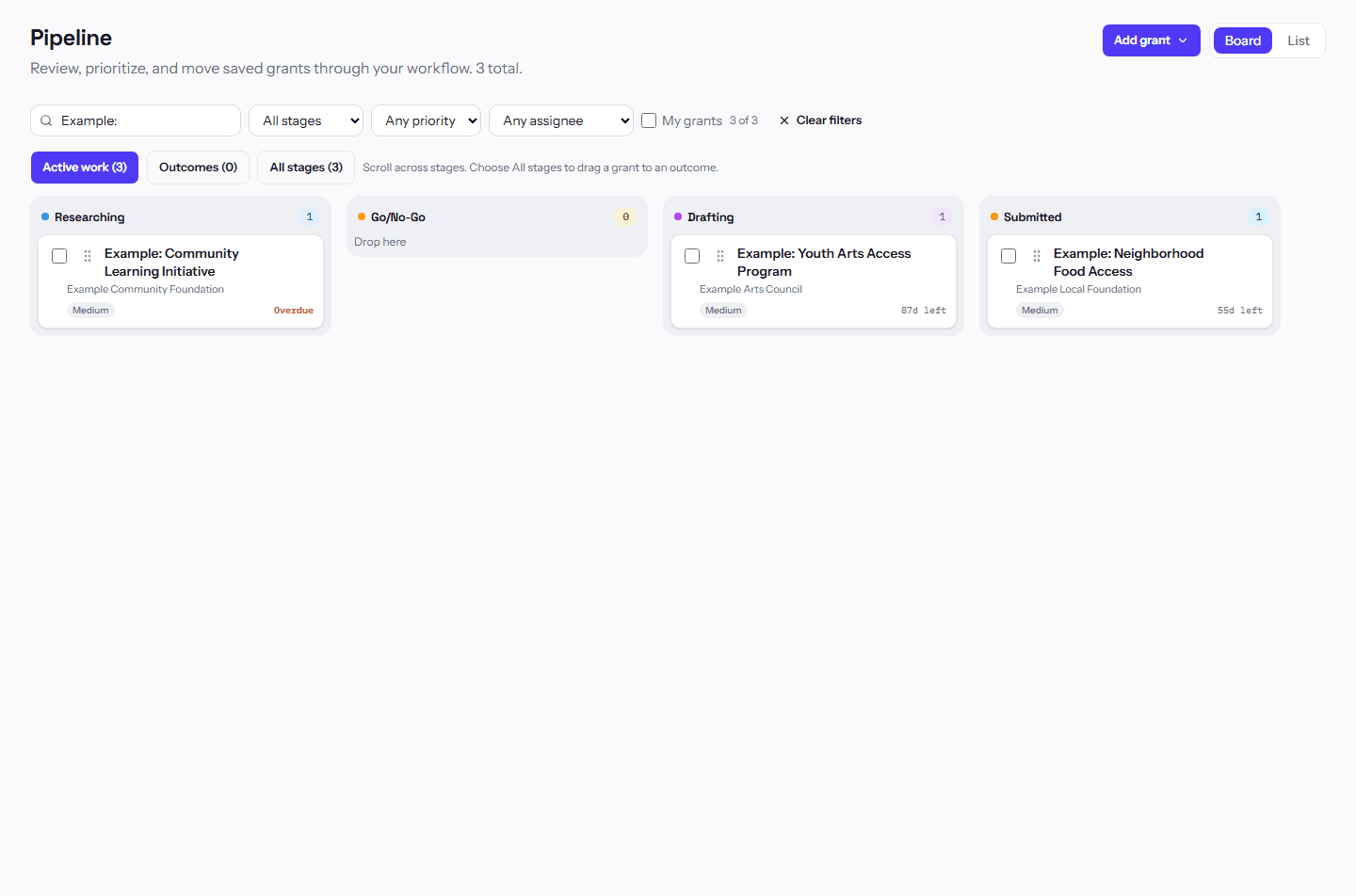
These platforms emphasize visual pipeline management that makes grant status immediately apparent without diving into detailed records. They pull opportunities directly from Grants.gov and other sources, reducing manual research time. AI-assisted features help with proposal drafting and opportunity matching based on organizational profiles.

The difference often comes down to philosophy. Legacy systems grew from database management thinking: store everything, let users figure out what matters. Modern platforms prioritize actionable insights and streamlined workflows that recognize how grant professionals actually work.

Making the Transition Successfully

Regardless of which direction you choose, thoughtful transition planning prevents headaches. Start by auditing your current grant data. What information absolutely must migrate to any new system? What historical records can remain archived in static formats?

Export everything you can from GrantHub while the platform remains active. Funder contact information, historical grant records, financial data, and document archives all need capturing. Don't assume anything will transfer automatically to your next solution.

Involve your team in the selection process. The people using the system daily understand workflow requirements that leadership might overlook. Their buy-in also affects adoption rates once implementation begins.

Consider timing strategically. Major transitions during peak grant seasons create unnecessary stress. If possible, plan implementation during slower periods when staff have capacity for learning new systems.

For organizations exploring comprehensive grants lifecycle management, resources exist to help navigate both the conceptual framework and practical implementation details.

Looking Ahead

The GrantHub sunset marks a significant moment in grant management software evolution. Organizations that proactively plan their transitions will emerge stronger, with modern tools better suited to current needs.

The organizations that wait until the final days risk scrambling with inadequate solutions or losing valuable historical data. Neither outcome serves your mission well.

Grant management technology continues advancing rapidly. Artificial intelligence increasingly assists with opportunity matching and proposal development. Integration capabilities connect disparate systems more seamlessly. Cloud-based platforms offer accessibility that earlier desktop solutions couldn't match.

Whatever your organization decides, the key lies in making intentional choices rather than defaulting to the easiest short-term option. Your grants fund your mission. The tools managing them deserve thoughtful selection.

Explore how modern platforms approach grant discovery and tracking differently, and consider what your organization truly needs to succeed in today's competitive funding environment.

Share this article

GrantCue

Purpose-built funding operations for ambitious teams.

© 2026 GrantCue. All rights reserved.

© 2026 GrantCue. All rights reserved.