Community Development Grants: Programs, Who Qualifies, and Common Pitfalls
A guide to community development grants that covers the roughly $5.6 billion in HUD formula funding for FY 2026. It explains the major programs like CDBG, HOME, and USDA Rural Community Development Initiative, who qualifies, how to apply, and common pitfalls.
In this article (7)
- Community Development Grants: Programs, Who Qualifies, and Common Pitfalls
- What Exactly Are Community Development Grants?
- The Heavy Hitters: Major Community Development Grant Programs
- Cracking the Code: How to Actually Win Community Development Grants
- Common Pitfalls That Tank Applications
- Where to Find Community Development Grant Opportunities
- The Bottom Line
Community Development Grants: Programs, Who Qualifies, and Common Pitfalls
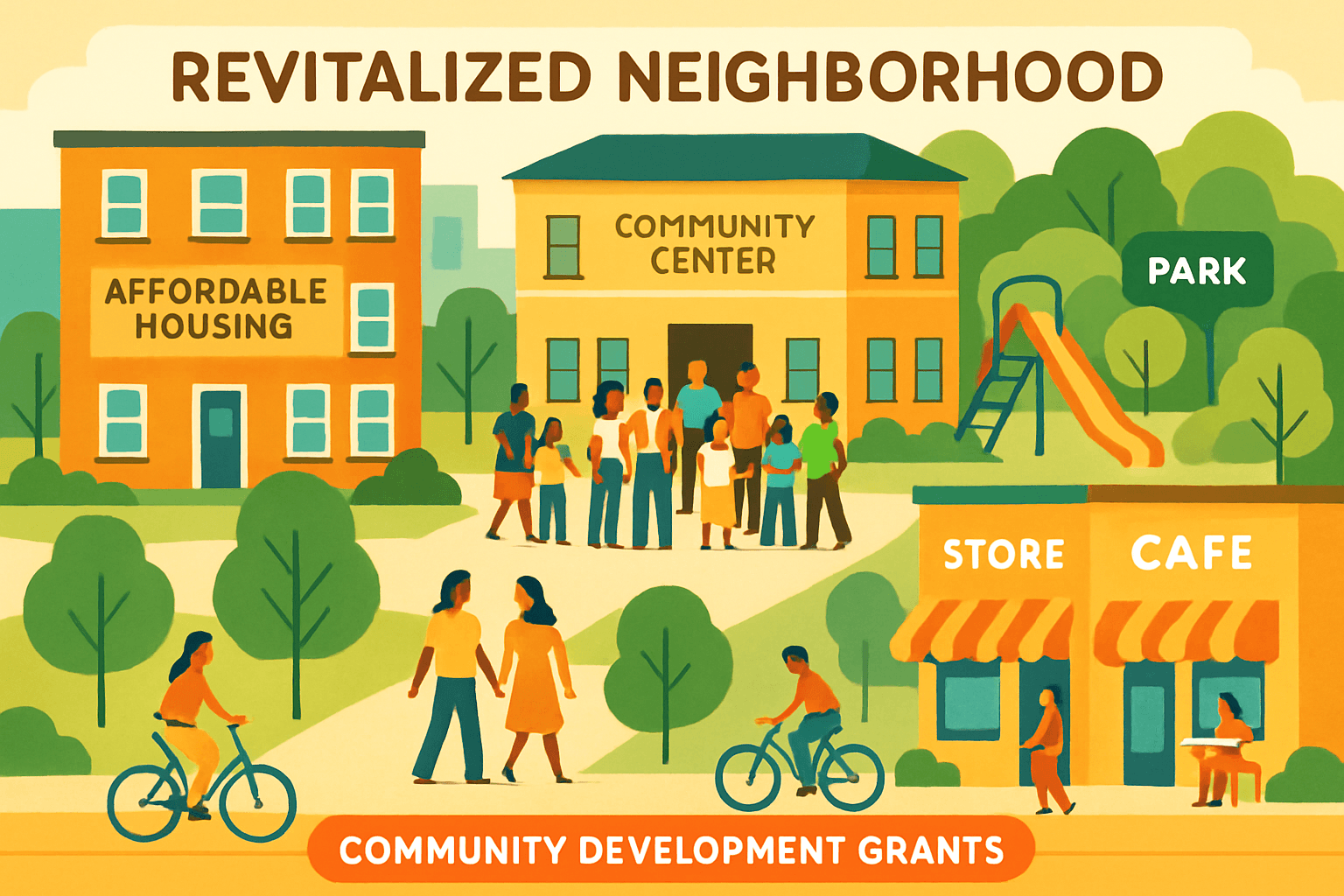
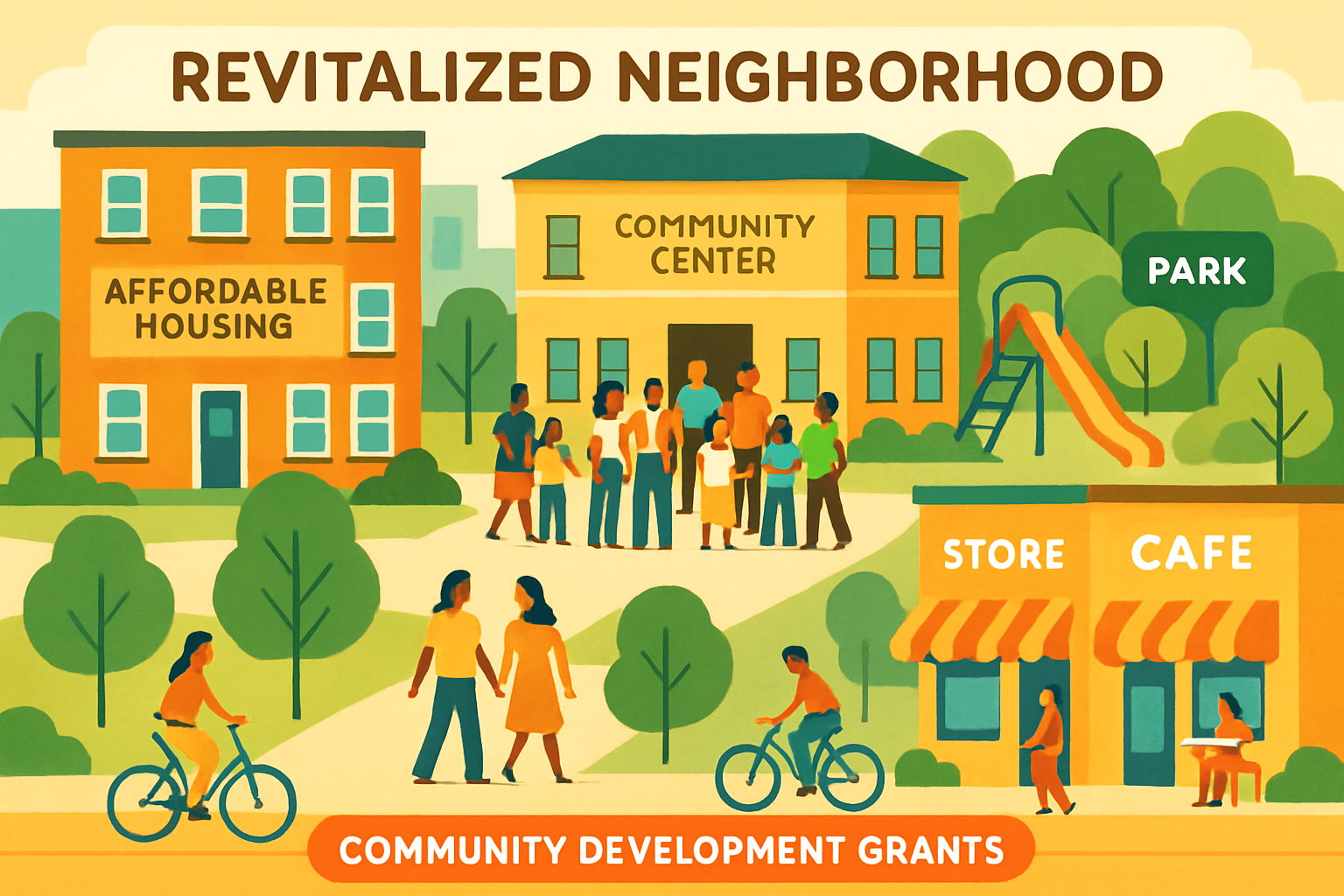
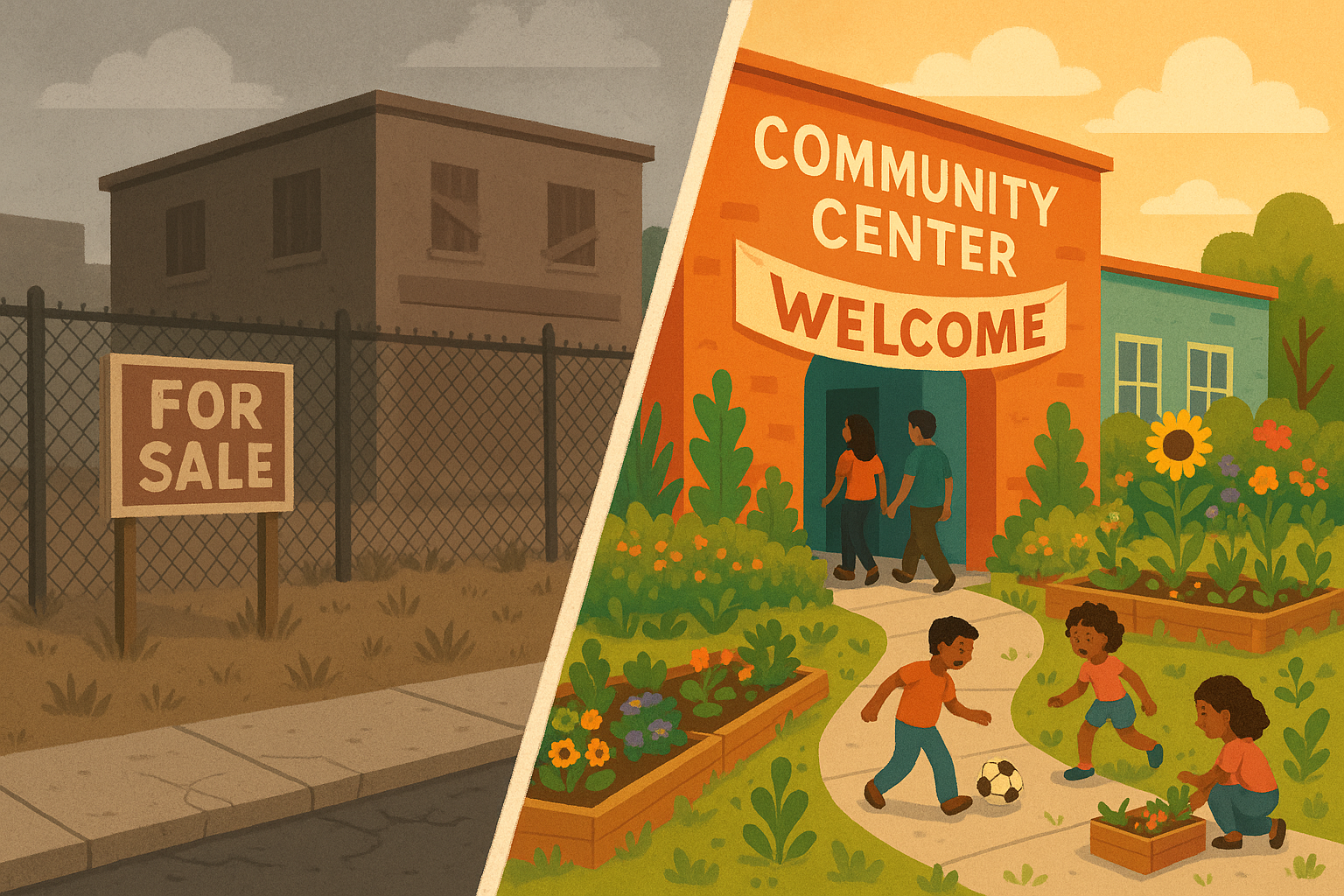
Picture this: crumbling sidewalks get replaced. A shuttered community center reopens its doors. Affordable housing springs up where vacant lots once sat. This isn't a utopian dream—it's what happens every single day thanks to community development grants.
But here's the thing: navigating federal funding feels about as intuitive as assembling furniture without instructions. In Swedish. While blindfolded.
Take a deep breath. We're about to demystify community development grants, and dare we say—make it actually enjoyable.
What Exactly Are Community Development Grants?
Community development grants are federal, state, and foundation funds designed to strengthen neighborhoods—particularly those serving low- and moderate-income residents. These aren't handouts; they're strategic investments in infrastructure, housing, economic vitality, and public services that lift entire communities.
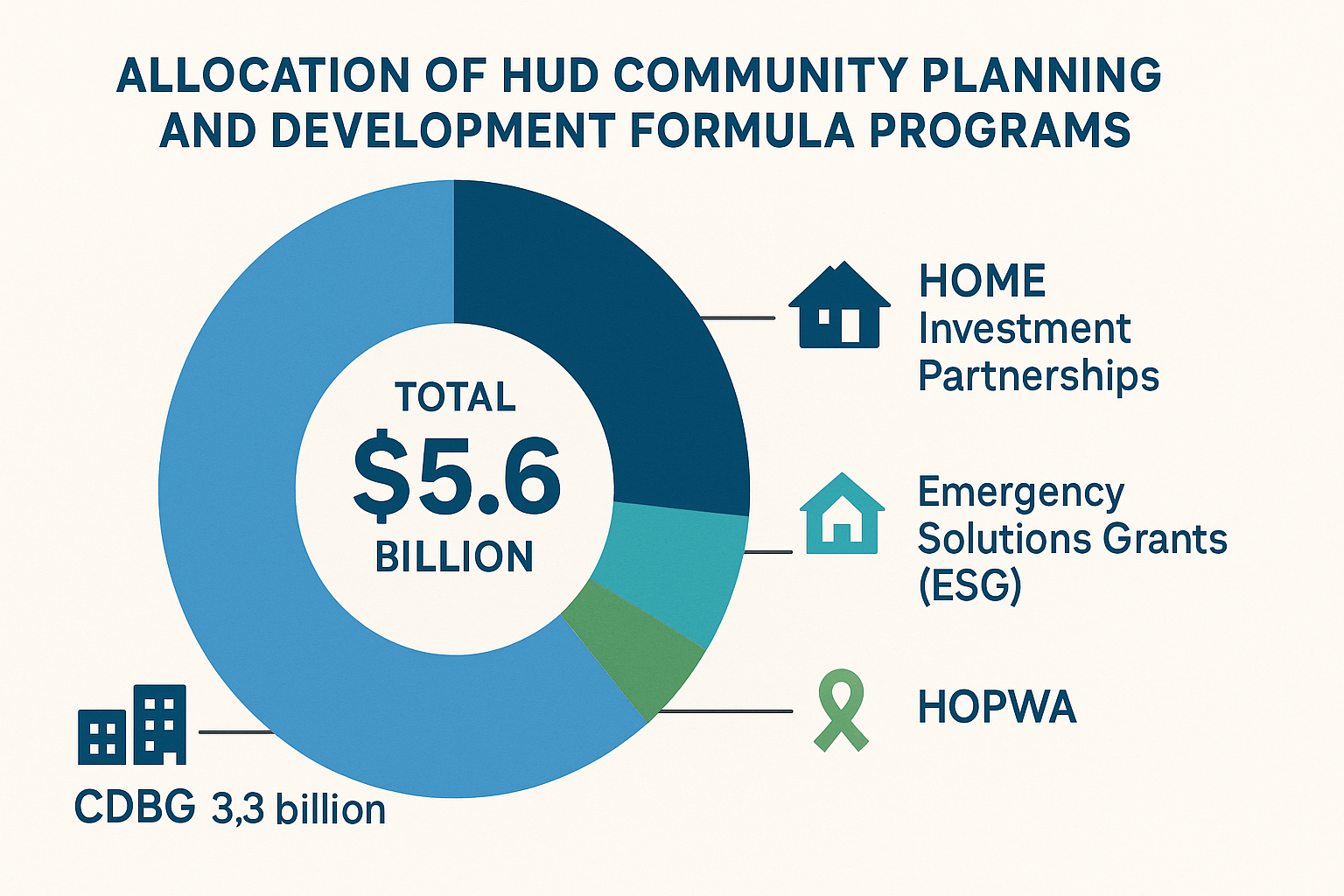
The scale might surprise you. For Fiscal Year 2026, the allocations HUD's Community Planning and Development office published for its six formula programs (CDBG, the Recovery Housing Program, HOME, ESG, HOPWA and the Housing Trust Fund) add up to about $5.6 billion (sum of the six program columns in HUD's FY2026 allocation spreadsheet, read October 2026). That's billion with a B.
Think of these grants as the federal government betting on your community's potential. And unlike Vegas, the odds here can actually work in your favor. Funding beyond HUD is covered in how to find grants for nonprofits.
The Heavy Hitters: Major Community Development Grant Programs
Community Development Block Grants (CDBG)
The granddaddy of community development funding, CDBG distributes approximately $3.3 billion annually to states and local governments. It's remarkably flexible—funds can tackle everything from building water infrastructure to launching small business incubators.
Here's the golden rule: at least 70% of CDBG dollars must benefit low- and moderate-income persons. The remaining 30%? That can address blight elimination or urgent community needs.
Eligible activities include:
- Constructing public facilities (think community centers, health clinics, and parks)
- Improving water and sewer systems
- Supporting economic development initiatives
- Rehabilitating residential and commercial buildings
- Providing public services like childcare and job training
Who qualifies? Metropolitan cities with populations exceeding 50,000, urban counties with 200,000+ residents, and states distributing funds to smaller non-entitlement communities.
HOME Investment Partnerships Program
If affordable housing keeps you up at night (literally, if you're pricing apartments lately), HOME is your program. With roughly $1.25 billion in annual funding, HOME exclusively targets housing affordability—building new units, rehabilitating existing ones, and providing direct rental assistance.
The catch? Recipients must match 25% of federal funds with local resources. It's the government's way of ensuring skin in the game.
Emergency Solutions Grants (ESG)
Homelessness doesn't wait for grant cycles, which is why ESG funds rapid rehousing, emergency shelter operations, and street outreach programs. While smaller than CDBG, these dollars pack an outsized punch for vulnerable populations.
USDA Rural Community Development Initiative
Rural communities often feel overlooked in federal funding conversations. Not anymore. USDA's RCDI program provides grants to nonprofit organizations and tribal entities working in areas with populations under 50,000.
For FY 2025, approximately $5 million awaits organizations ready to build housing, community facilities, and economic development projects in rural America. The twist? Grants require dollar-for-dollar matching funds.
Cracking the Code: How to Actually Win Community Development Grants
Submitting applications and actually winning them are wildly different experiences. Here's how to tip the scales:
1. Master the Timeline Game
Federal grants operate on fiscal year cycles, with deadlines scattered throughout the calendar. Missing a deadline by one minute means waiting another entire year. Not ideal.
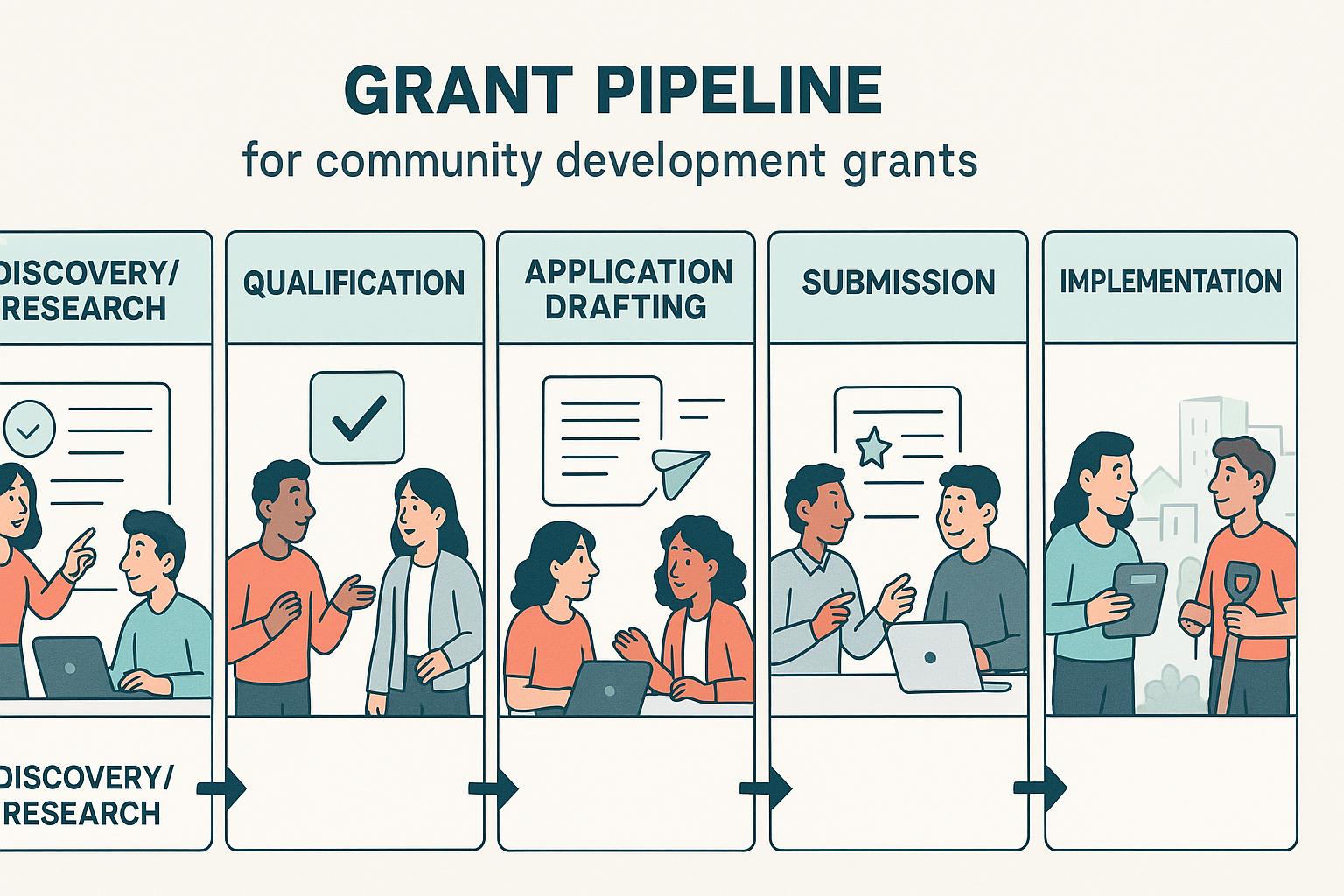
Smart organizations maintain a grant pipeline—a visual tracking system that monitors every opportunity from discovery through submission. No more scrambling at 11:59 PM wondering where your narrative went.
2. Speak Their Language
Every grant program has "national objectives" or scoring criteria. For CDBG, that means demonstrating benefit to low- and moderate-income populations. Your application should explicitly connect every proposed activity to these objectives.
Vague promises won't cut it. "We'll help the community" loses to "We'll install 47 streetlights in Census Tract 1234, where 78% of households earn below median income, reducing pedestrian accidents by an estimated 35%."
3. Build Coalitions Before You Need Them
The strongest community development applications showcase partnership. Local governments collaborating with nonprofits, businesses committing matching funds, residents demonstrating support—these coalitions signal to funders that projects have staying power.
Start conversations now, even if your next application is months away.
4. Document Everything (Seriously, Everything)
Community development grants come with significant compliance requirements. Federal regulators will want receipts—literally. Establish systems for tracking expenditures, measuring outcomes, and maintaining records before the first dollar arrives.
Organizations that treat grant lifecycle management as an afterthought invariably struggle during audits. Don't be that organization.
Common Pitfalls That Tank Applications
Ignoring citizen participation requirements. CDBG mandates public hearings and community input. Skip this, and your application gets flagged immediately.
Underestimating administrative costs. Managing federal grants requires staff time. Budget realistically—most programs allow reasonable administrative expenses.
Missing the geographic eligibility mark. USDA rural programs require locations outside cities of 50,000+. HUD entitlement programs require the opposite. Verify eligibility before investing weeks in an application.
Treating the budget as an afterthought. Reviewers scrutinize numbers. Inflated costs raise eyebrows. Suspiciously low estimates suggest inexperience. Get quotes. Do the math. Then double-check it.
Where to Find Community Development Grant Opportunities
Grants.gov remains the mothership for federal funding notices. Set up saved searches for keywords like "community development," "CDBG," and "community facilities."
For state-administered programs (remember, states distribute CDBG to non-entitlement communities), check your state's housing finance agency or community affairs department.
Local community foundations often operate their own community development initiatives—smaller grants, but with less competition and faster decisions.
And if you're drowning in spreadsheet chaos trying to track it all? Modern grant discovery platforms aggregate opportunities and send deadline alerts automatically. Your sanity will thank you.
Before paying for one, compare free and paid grant finders for nonprofits on price, download caps and the team size each option fits.
The Bottom Line
Community development grants represent some of the most impactful funding available to local organizations. Yes, applications require effort. Yes, compliance demands attention. But the payoff—transformed neighborhoods, revitalized economies, and thriving residents—makes every headache worthwhile.
Start by identifying which programs align with your community's needs. Build relationships with your HUD field office or USDA state office. And consider how tools designed for federal grant tracking might simplify your workflow.
Because the only thing worse than losing a community development grant? Never applying in the first place.
---
Looking for grant opportunities in your area? Explore local funding options or dive into our complete guide on navigating federal grants.